
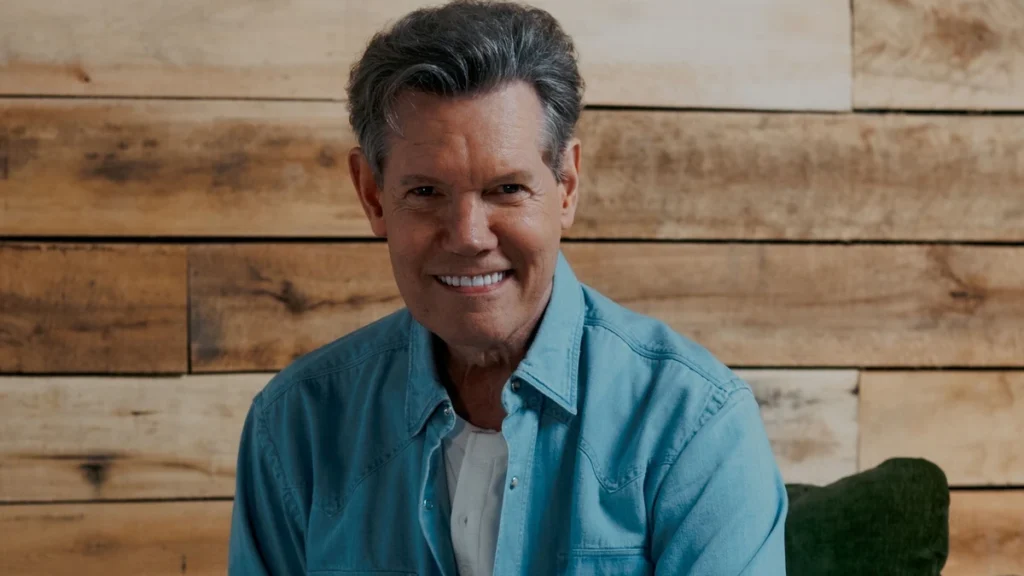
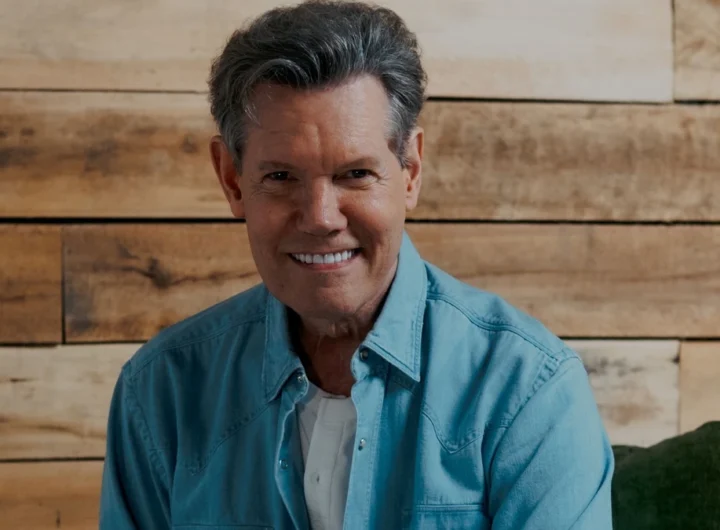
Same Old Way is the only song Randy Travis ever wrote with Kyle Lehning, the producer who sat beside him in the studio for most of his career. It was recorded before the 2013 stroke that took away his ability to sing, put in the vault, and left there. On Friday, 13 November, it became the title track of his first album of original music in more than 18 years.
Every lead vocal on the record is his own. The 12 songs were recorded by Randy Travis between his late twenties and the months before the stroke, then pulled from the archive, remixed and remastered. The Associated Press put it plainly in its weekly listening guide: “No AI here, but all Travis.” Here is where the songs came from, who carried them out of the vault, and why that question needed answering at all.
Where the Songs Were Kept
The search began about two and a half years ago. “Kyle Lehning went to L.A. and his own studio and pulled several songs that had been put in the vault,” Mary Travis, who often speaks for her husband because of the aphasia caused by his stroke, told Garden & Gun. “They were songs Randy had recorded from his late twenties till right before the stroke. Then we sat down as a group and picked the twelve that are on this album.”
Saving Country Music dated the recordings from 1986 to 2013, made during the sessions for earlier albums and never released. Lehning helmed the project, assembling the songs from the archive and remixing and remastering them into one record. The result is 12 more original songs in the Randy Travis catalogue, from a singer who had not released a new album of his own music since before his illness.
Mary Travis described the range to Country Living: breakup songs, Christian and gospel songs, love songs and “fun songs with a little bit of the Louisiana flavor.” She added: “It’s songs that he demoed and recorded in his late 20s, up until his late 40s and early 50s, right before the stroke.”
Why the Songs Were Left Off the First Time
Archive albums are often dismissed as leftovers. Mary Travis argued the opposite: the songs were cut because the albums were already full. “The albums he made back when, they were all full of great songs. There weren’t filler songs. There was just no room on these albums to add more songs,” she told Garden & Gun.
Listeners who heard the advance singles reached the same conclusion, she said, asking why they had never been on an album. Randy Travis himself would not pick a favourite. “I always felt like I was choosing a favorite child if I picked a favorite song because the writers were so good,” he once said, as his wife recalled it.
That respect for the writers runs through the track list. One of the lead singles, Fish On, was written by Travis with his bus driver, Ron Avis, Country Living reported. “It’s neat for all of those people that were a big part of his career. Now we have these songs that he cowrote with them, and they’re coming from some unlikely places,” Mary Travis said.
What Kyle Lehning Did to the Tapes
Lehning curated the songs as well as restoring them. Mary Travis told Country Living that he picked the ones that show “Randy’s voice has no boundaries, really,” and described the work on the recordings themselves: “Kyle used today’s technology just to tweak it, and to dress it up, and to put some shine on it.”
The partnership behind that work is long. “They’ve spent forty years in the studio together, thousands of hours,” Mary Travis told Garden & Gun. “They always saw eye to eye on the music, how it should sound, the songs they should record.” Lehning has produced Travis since the beginning of his career, and the title track is the one place where the two men also share a writing credit.
Two songs reached listeners well before the album. Fish On came out on 10 July and I Don’t Care on 7 August, Saving Country Music reported, and the title track arrived with the album announcement in September.
The Twelve Songs on the Record
The album opens with I Know Where I’d Be Without You, followed by the two advance singles, Fish On and I Don’t Care. Just Read The Signs, Mission Of Love, I Catch ‘Em and There’s No Getting Over You fill the middle of the record, then They Called It A Church and One Tear At A Time lead into the title track at number ten. My Greatest Fear and Set The Blues Back close it, according to the track list published by Saving Country Music.
Read as a sequence, the list matches the spread Mary Travis described: heartbreak, faith, love songs and lighter material side by side. Because the recordings come from different points across more than two decades, the album also lets listeners hear his voice at several ages on one record, from the singer of the late 1980s to the one heard in the years just before the stroke.
Why the AI Question Came Up
The record needed a disclaimer because of what came before it. In 2024, Travis released Where That Came From, an acoustic ballad that used artificial intelligence to rebuild his voice, the AP noted. Garden & Gun described him as having pioneered the ethical use of AI-assisted voice technology while advocating for creators’ rights.
Mary Travis explained how that project began. “The AI project was something Cris Lacy had called us about,” she said, naming the president of Warner Records Nashville. “Four years ago AI was pretty foreign to a lot of people, but we’re glad we did it.” The couple later used those songs when they testified in Washington, D.C., she added, so that lawmakers would put guardrails in place to protect creative people.
Some fans assumed the new album worked the same way. In September Travis posted a photo of himself holding a cardboard sign stating that the new album was not AI, Country Rebel reported. The difference is the one this record turns on: Where That Came From built a vocal from his old recordings, while Same Old Way simply releases recordings he made, as he made them.
Forty Years After Storms of Life
The timing has a history. Forty years ago Travis released his debut album, Storms of Life, and became a member of the Grand Ole Opry; Country Living noted he is the youngest male artist ever to join it. Saving Country Music credits him, alongside George Strait and Keith Whitley, with helping to save country music in the mid-1980s.
In July 2013, Travis was taken to hospital with viral cardiomyopathy and later suffered a stroke, according to the AP. He had to relearn how to walk, spell and read, and aphasia still limits his speech. “It’s an album that is from the vault, so it is his voice, even though he’s lost his voice to aphasia from the stroke,” Mary Travis told Country Living.
He has kept working anyway. Travis recently wrapped a 54-city tour on which the vocalist James Dupré sang his songs while he appeared on stage, Garden & Gun reported, and Mary Travis said the couple spent the first years after the stroke on rehabilitation before working out how to build a career in a different way.
What Comes Next From the Vault
There is more where these came from. Asked whether further unreleased songs would follow, both Randy and Mary Travis answered yes, and she joked about a title: “We’ll name that album, let’s see, Some More of the Same Old Way.” More touring is likely in 2027, she said, including a seven-night western Caribbean cruise in April, the first they have done since the stroke.
The audience is changing as well. “A lot of new ones now, because the younger generation is rediscovering traditional country music,” Mary Travis told Country Living. That tradition is still producing headliners: this site recently looked at how Chris Stapleton goes for a ninth CMA male vocalist award.
For Same Old Way, the provenance is the story. These are recordings made across his career, kept by the producer who made them with him, and released without an AI-generated vocal. That is a rare thing to be able to say about a voice that went silent 13 years ago.
About The Author

 Conditional Love by Liat Dagan: The Long Version, Shot on a Phone with Childhood Home Movies
 Pass It Along Closed ExoVibea’s Run of Nine Singles in 18 Days
 Fall In Bloom: Where Better Alone Came From, a Metal Voice Turned Country
 Joel Sundkvist Puts Piano, Cello and Drums Around a New Chapter on No One Makes A Living
 Why the Acoustic Version Survived on Simply, an EP of Birth, Love and Loss by Melyssa Lee
 The Promised Land Started on a Solo Mountain Hike for El Caplan
 Where the Voice on Randy Travis’s Same Old Way Came From