
Why a Lockdown Co-Write Between Neighbours Survived as Home to You by Michelle Murrell
A Central Coast Country Ballad Carried by Acoustic Guitar, Cajón and Bill Chambers’ Hammond
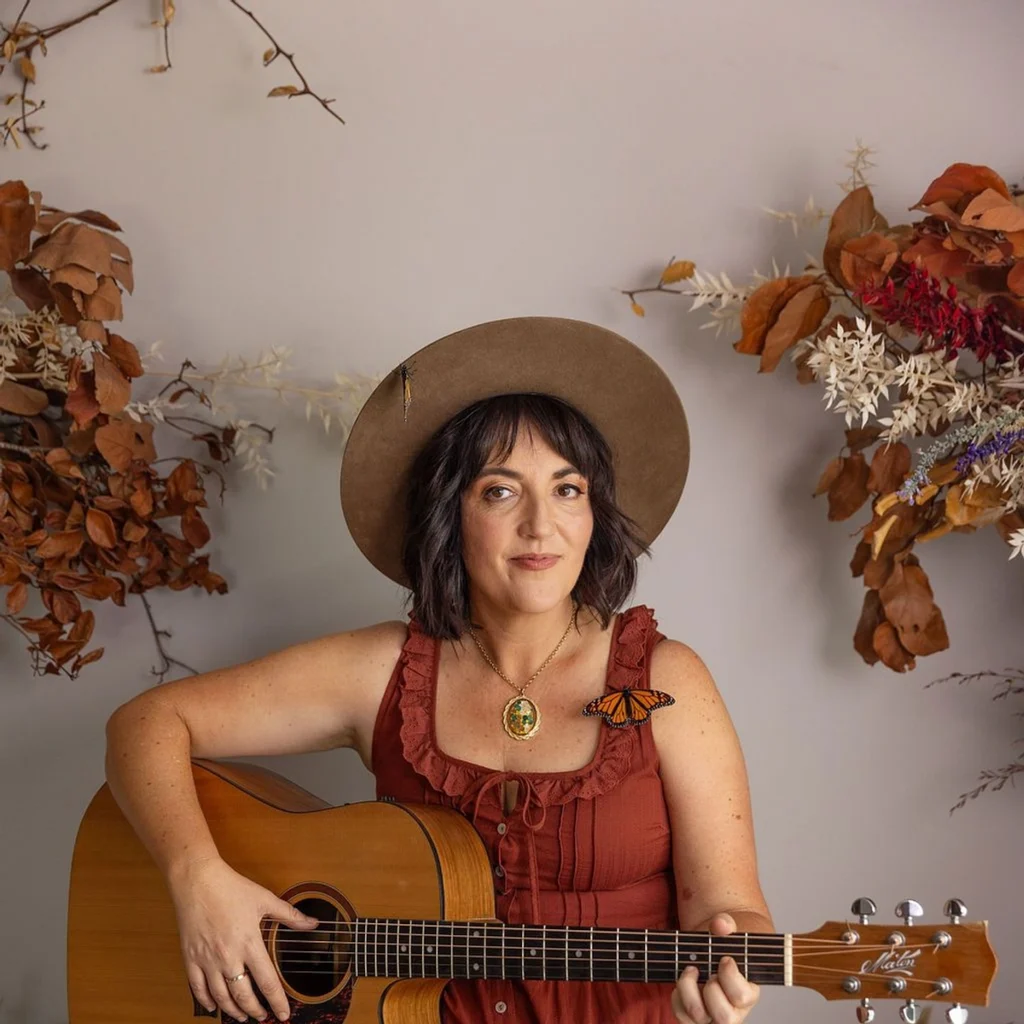
An acoustic guitar sets an easy pace on Home to You, and a cajón keeps time underneath. Meanwhile, Hammond organ and a harmony voice fill the space around the lead. That lead belongs to Michelle Murrell, an alt-country songwriter from the NSW Central Coast. The song began as a lockdown co-write with her friend and neighbour Audrey Southam, and it came out as a single on 2 August 2024.
Michelle Murrell’s song is in the playlist below, alongside other Americana and roots picks from this desk. Each feature on her is tracked on her artist profile. Home to You came to MusicRoots.News through PopHits.Co Music Charts, which verifies independent artists and places their releases across its network of music news desks. Play it once through, then read on.

Writing Home to You With a Neighbour in Lockdown Gave Michelle Murrell Her Hook and Her Lyric
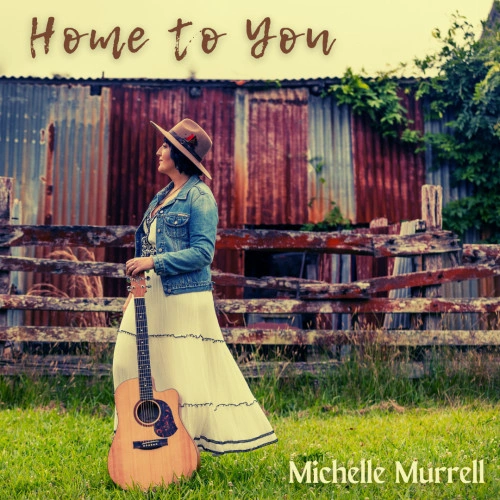
The song started close to home in the most literal sense. Murrell wrote it with Audrey Southam, the friend who lives next door, during the COVID lockdowns. At the time, the only people most writers could sit down with were the ones on their own street. Broken 8 Records reviewed the single when it came out. It described a country ballad about love, resilience and the road back to the person you belong with.
The title is the hook, and it carries the whole idea in three words. Home to You names a person rather than a place, which suits a song written while travel was off the table. The phrase is plain, and that plainness is the point. As a result, it leaves the work to the singer. Murrell’s voice suits that job, because it is a country-folk twang with some of the grit of 90s alternative music.

Grunge Bass, a Punk Drummer and Lucinda Williams Shaped the Voice That Carries Home to You
Her background explains that voice. As a teenager she played bass in an all-girl grunge band. Meanwhile James, the drummer she would later marry, played in a punk band at another school. Work, marriage and raising a family then pushed music into the background for years. When the two finally began playing together, James traded the full drum kit for a cajón. That trade is part of what you hear on this record.
Murrell lists Lucinda Williams and Gillian Welch among her influences, and both are useful reference points for this song. For example, Williams built a career on plain, road-worn vocals that let one line about a specific place carry a whole life. Similarly, Murrell’s twang works in that register. Welch, with David Rawlings, made records out of two voices and acoustic guitars with very little else. Home to You leans on a related pairing, with a harmony voice sitting beside Murrell’s lead.

Bill Chambers and a Cajón Gave Home to You Its Unhurried Structure at Chambers Avenue Studio
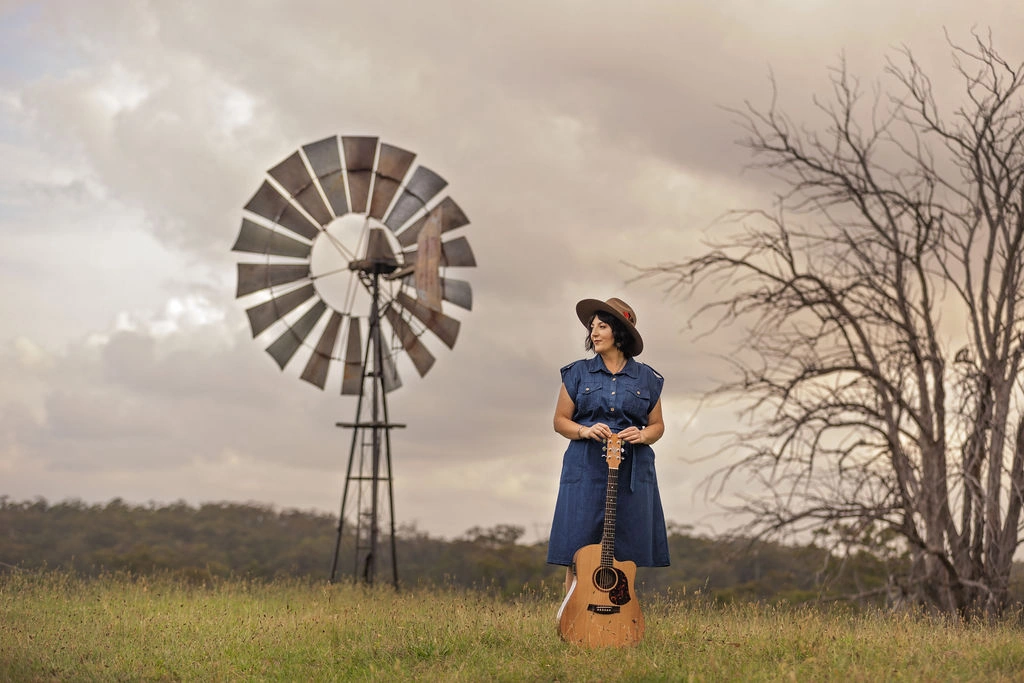
Home to You was recorded in 2023 at Chambers Avenue Studio with Bill Chambers producing. Chambers is a long-serving figure in Australian country music. He is known for the Dead Ringer Band and as the father of Kasey Chambers. On this track he also plays guitars and Hammond organ and sings the backing vocals.
The arrangement is the structure. Murrell’s acoustic guitar holds the centre, while James Murrell’s cajón gives the song a pulse without the weight of a kit. Chambers’ guitars and organ then add colour around the edges, so nothing crowds the lyric. At four minutes and 42 seconds, the song takes its time. That running time also suits a ballad about finding your way back to someone.
The single then became part of something larger. In fact, Home to You was the fifth song Murrell released from what became her debut album, Flannel Flowers. The album arrived in 2025 with Chambers again in the producer’s chair. The album’s title track also reached the semi-final stage of the 2024 International Songwriting Competition in the Americana category.
The Players and the Tradition Behind a Central Coast Alt-Country Record
Murrell’s music sits where alt-country, alt-folk and Americana meet, and this record shows how she carries those traditions. The country ballad shape is old, and the players around her come from deep inside Australian country music. Even so, the voice at the front still sounds like someone who learned to sing over loud 1990s guitars.
Away from her own releases, Murrell also co-founded the Central Coast Acoustic Songwriter Sessions. Through it, original writers in the region get a stage. It is a fitting detail for a song that started as two neighbours writing together.
MusicRoots.News’s curator team: “The cajón is the decision that makes this record. A full kit would have pushed the song along, but the cajón lets the lyric set the pace. Bill Chambers’ Hammond then fills the space the drums left behind.”
Where to Hear Michelle Murrell and Follow the Players Behind Home to You
For a first listen, play Home to You on Spotify at the end of a long day. Then follow the harmony voice as it settles in beside Murrell’s lead. Then go back to Flannel Flowers and hear where the song sits among the eleven others.
Follow Michelle Murrell on Spotify, Apple Music and Deezer, and find her early tracks on triple j Unearthed. Watch her lyric videos on YouTube. Keep up with her shows on Instagram, Threads and Facebook, or through her official website.







About The Author

 Yesterday, Today and Tomorrow by David Moore and Westridge: The Long Version
  Cowboy by Brooke Washor: Where Her Last-Call Love Song Came From
  Louder by Pete Keating: The Long Version, Tracked Live in Seattle
  Why the One-Man Ukulele Band Survived on Zombie Romance by BlackSheepLad
  Why a Father-Daughter Songwriting Game Survived as Dru Heath’s Rainbow Coloured Horse
  Five Guests and a He-Man Theme Shape the Billy Strings Halloween Show
  Why a Lockdown Co-Write Between Neighbours Survived as Home to You by Michelle Murrell