

Why the Acoustic Version Survived on Simply, an EP of Birth, Love and Loss by Melyssa Lee
Six Canadian Folk Recordings That Turn a Child’s Question and a Friend’s Grief Into Songs
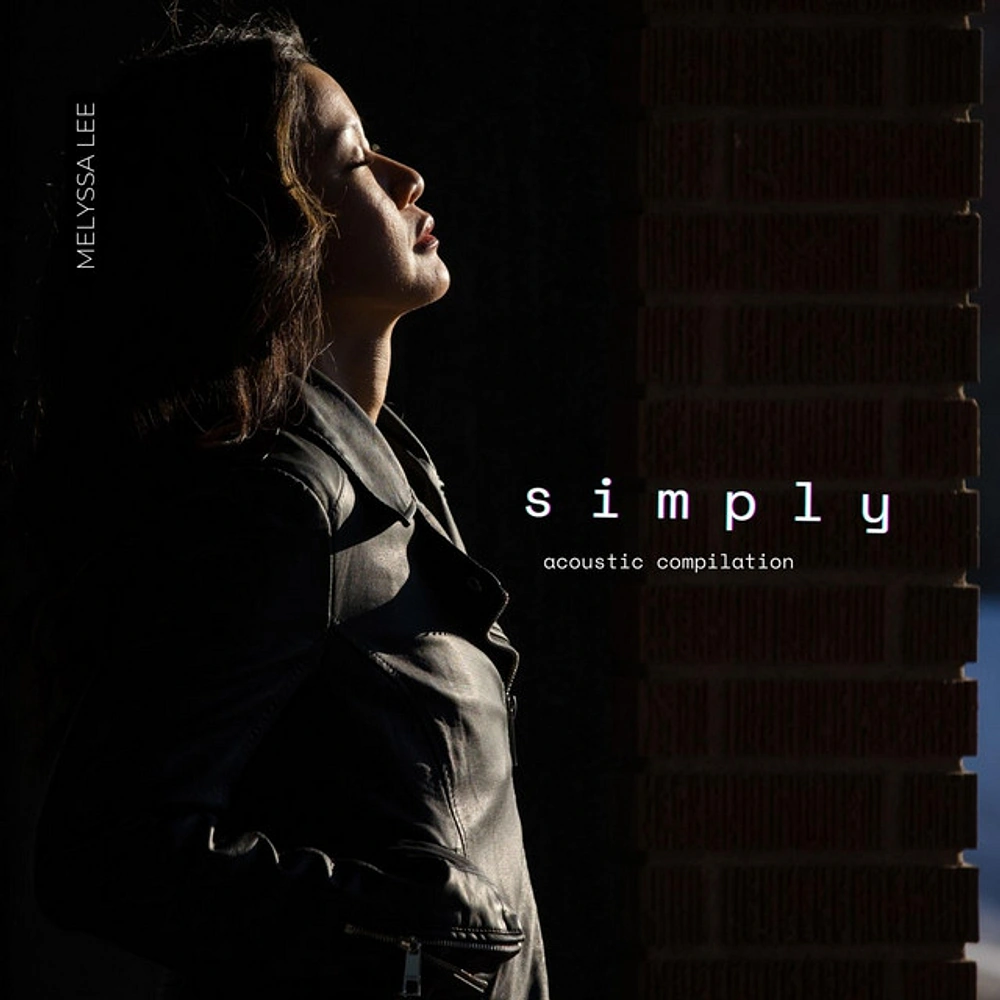
In Sunflower, a small child asks a question too deep for their age. Melyssa Lee answers it honestly: she does not know why doors close when they do. The singer-songwriter from Calgary, Canada, put that song on Simply, an EP of six acoustic recordings released on 26 May 2023. The whole record keeps the same plain promise.
Melyssa Lee’s Simply is in our folk playlist below, and her full run of coverage sits on her artist profile. The EP came to this desk through PopHits.Co Music Charts, which verifies independent artists and places their releases across its network of music news sites. Press play, then read on for how the songs were built.

The Question in Sunflower Is the Hook Melyssa Lee Built Simply Around
Back to Sunflower, then, because it is where the EP began. It came out first, in January 2023, as an acoustic single. Melyssa Lee wrote it for a close friend whose nine-year-old son had died, and she named the song in his memory.
Its hook is a question, not a slogan. Why am I so afraid of losing you now, when you’re right here with me, the chorus asks, and the line comes back after every verse. A question is harder to sing than a statement, because it cannot resolve. That is the point of it here.

The Lyric of Sunflower on Simply Builds Grief Out of Tiny Arms, Hazel Eyes and Rolling Hills
So the lyric builds the fear out of small, physical things. In the first verse a child’s tiny arms wrap around the narrator’s knees and hazel eyes look up. The honest answer is that some things have no answer.
Then the second verse turns to the friend. She meets the narrator with tearful eyes, and she is strong enough to say her son’s name out loud. Rolling hills of sunflowers remind her every day that his love is still on this earth.
Melyssa Lee draws on the Lilith era, named after the touring festival Sarah McLachlan started in 1997 to put women singer-songwriters on one stage. McLachlan’s best-known ballad, Angel, is a song about loss sung close to the listener. Sunflower belongs to the same tradition: grief told plainly, with nothing added to it.

Two Verses and One Repeated Question Shape the Acoustic Songs of Simply by Melyssa Lee
The structure of Sunflower rests on that turn between the verses. The first verse belongs to the narrator and the child in front of her. The second hands the song to the friend who has already lost hers. Because the chorus stays the same, the question weighs more the second time. Even the first chorus closes on a hard piece of logic: all good things must end, so why be afraid of losing them?
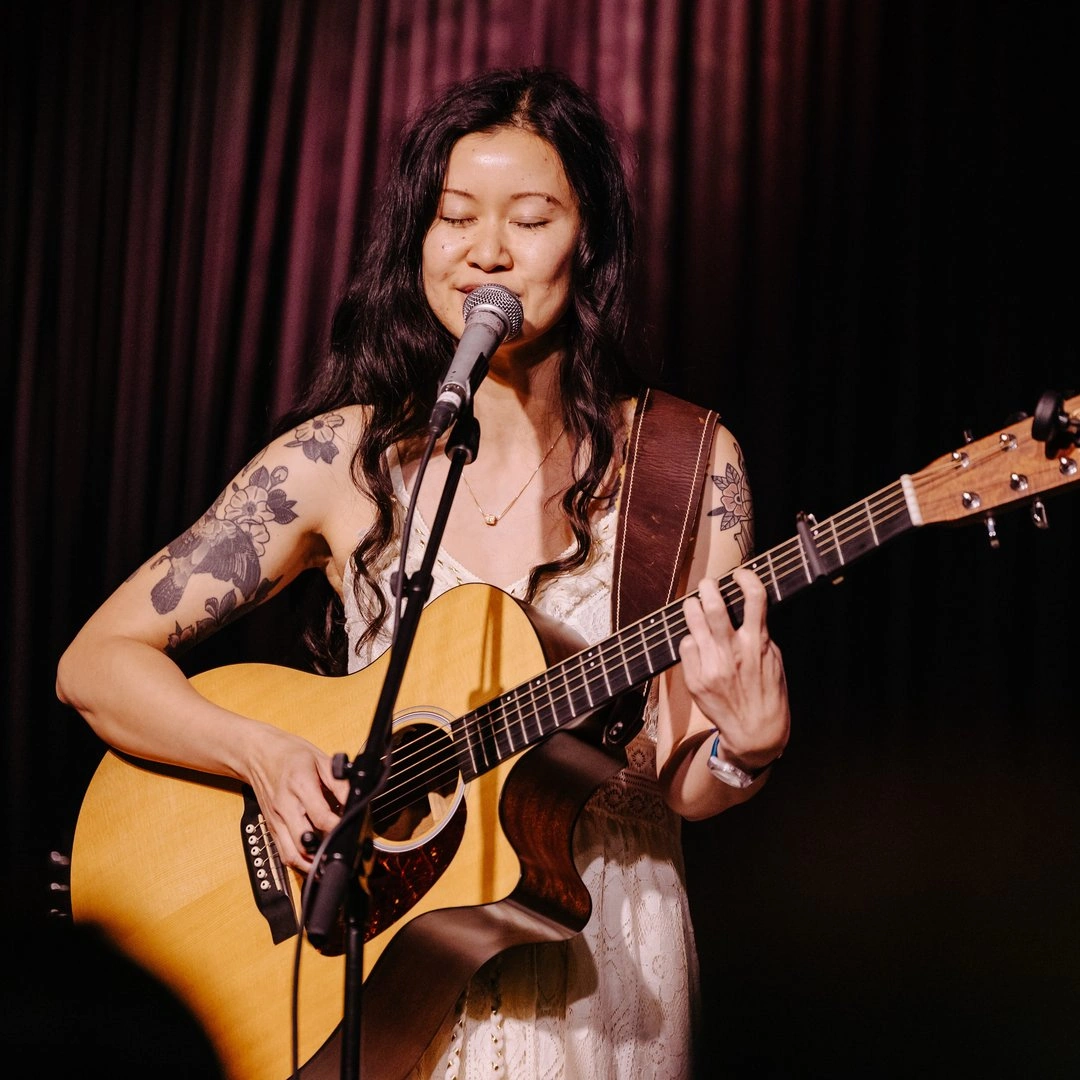
The rest of Simply keeps a similar shape. Its six recordings run from My Guarantee, at four and a half minutes the longest, through the title track, Learning to Love, Laughter and Roses and Sunflower to Last Words. Melyssa Lee describes the EP as a record about simplicity in life, about birth, love and loss. The arrangements stay acoustic from first song to last. Melyssa Lee, credited as Melissa Lee Setiawan, wrote the words and music of the title track.
Why the Acoustic Versions on Simply Still Stand Beside the Full Productions That Followed
The order of release tells its own story. Sunflower appeared in January 2023, Last Words in March and Learning to Love a week before the EP. Full productions followed. My Guarantee came out as a single later that year, then the album Treasures in 2024, and new music runs through to the Tales of Edwin & Patty EP in 2026. Still, the acoustic EP is the record she puts forward, and it holds up because the songs need nothing added to them.
Songs like this can outlast their moment. Tracy Chapman released Fast Car in 1988. In 2023 a cover by Luke Combs took it back up the charts, and Chapman won the Country Music Association’s song of the year as its writer. A plain, well-made song keeps finding listeners, and that is the case Simply makes for itself more than three years on.
It did not go unheard on release, either. Earmilk called it a soulful debut in July 2023, while York Calling, which had already interviewed her that spring, reviewed it within a month.
Her voice has a wide reach, from a hush to full strength, and the recordings leave room for both. The EP suits listeners of acoustic singer-songwriters and Americana storytelling who want songs that say what they mean.
MusicRoots.News’s curator team: “Play Sunflower first and wait for the second verse, where the song turns to the friend. That is the moment the EP’s simple arrangements earn their place.”
Simply ends with Last Words, but the question from Sunflower stays with you: why do doors close when they do? Melyssa Lee does not pretend to know. She sings it anyway, and that honesty is why these acoustic versions survived.
Stream Simply on Apple Music, where her Nobody’s Home video is also up. Follow Melyssa Lee on Spotify and SoundCloud, and find her on Instagram, TikTok, YouTube and Facebook, or at her official site.













About The Author

 The Promised Land Started on a Solo Mountain Hike for El Caplan
 Subsatellite by Lachie Hayes: The Long Version
 Choosin’ Texas Started With a Kangaroo and Hit a 25th Week at No. 1
 Howard Gripp Built I’m Not My Yesterday on One Line, Then Gave It a Heartland Rock Band
 Where Main St Came From: Voiseau and a Film Scene That Turned Personal
 Letter to Myself Pairs Aurora Ardent’s Lyrics with Tommy Faragher’s Music and His Brother Davey’s Bass
 Why the Acoustic Version Survived on Simply, an EP of Birth, Love and Loss by Melyssa Lee