
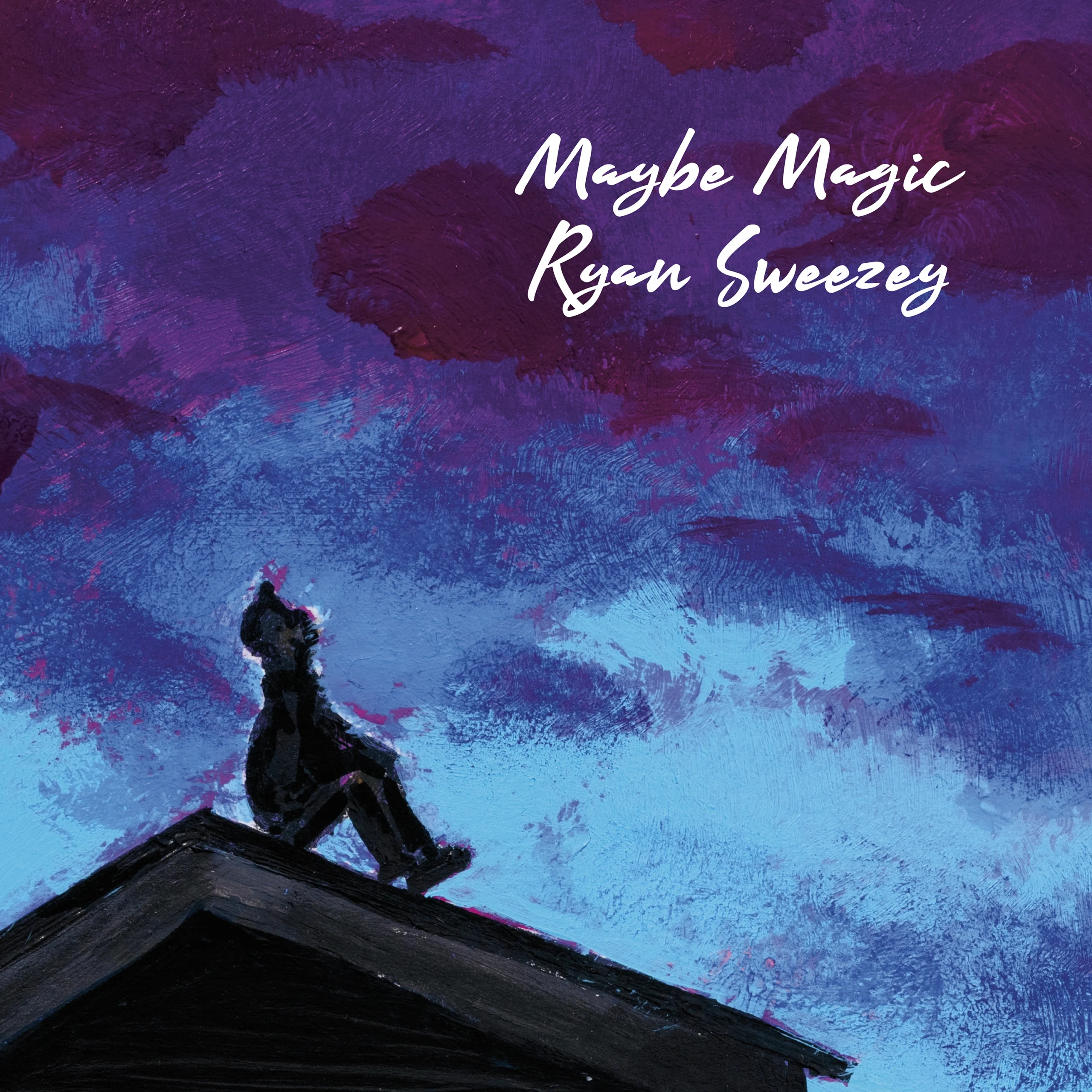
Maybe Magic by Ryan Sweezey and a Decade of Unfinished Songs: The Long Version
A Vermont Writer Turns Old Voice Memos Into a Ten-Song Folk-Rock Album
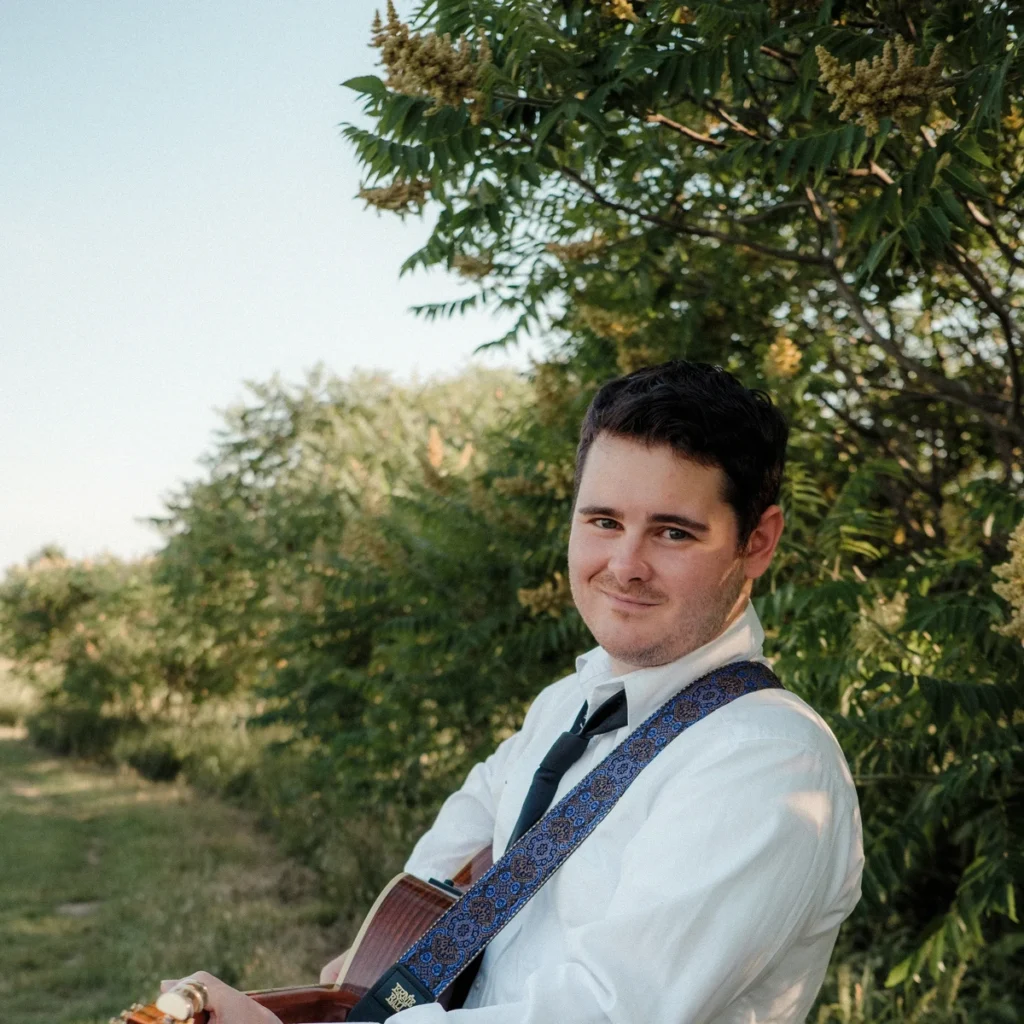
Miles Away dates from 2014, just after a first breakup. It then waited about a decade for a studio, until Ryan Sweezey recorded it for Maybe Magic. The Vermont singer-songwriter’s sixth studio album came out independently on 10 October 2025.
Ryan Sweezey is in the playlist below with the Maybe Magic title track, and his artist profile holds the rest of his coverage. The album came to MusicRoots.News through PopHits.Co Music Charts, which verifies independent artists and places their releases across its network of music news titles. Give it a spin, then read on for the decade of voice memos behind all ten songs.

The Hooks on Maybe Magic by Ryan Sweezey Had to Work on One Acoustic Guitar First
That song is not the exception on the record. Most of these ten songs began as half-finished voice memos, gathered over a decade. Maybe Magic is the album where Sweezey went back and finished them.
The recording process explains how the hooks work. First came basic acoustic guitar and lead vocals, cut with Jeremy Mendicino at Lane Gibson Studio in Charlotte, Vermont. The rest of the record grew on top of those two parts.
So each melody had to stand up on its own before the band arrived. That suits a writer from the line of melodic 1990s and 2000s guitar rock. In that tradition, the chorus carries the song.
Matchbox Twenty built their radio songs on big, plain-spoken choruses. Korliblog heard their influence in the melodies of Lady Nomad, the opening track. Gin Blossoms set bittersweet lyrics against bright, jangling guitars. Sleepless Nights works the same contrast: a lonely song with an upbeat, rolling feel. Meanwhile, Counting Crows made their name on detailed, story-led verses about specific people. Sweezey’s lyrics work in the same way.
The reviews kept returning to the same moments. HailTunes heard a chorus on Sleepless Nights that hangs in the air, and a punchier hook on Black Widow. Likewise, Hit Harmony Haven picked out the slightly ironic optimism of the hook on Controlled Chaos, carried by Colin Lenox’s guitar.

On Maybe Magic, Ryan Sweezey Turns a Decade of His Own Life Into Plain, Specific Stories
Sweezey writes from his own life, and the songs name their sources. Lady Nomad is about a friend who became a digital nomad, moving from city to city. Controlled Chaos is about adult life as improvisation, making it up as you go and somehow getting through.
The love songs are just as specific. The Invisible Girl follows someone who disappears for weeks or months at a time, then comes back with fresh promises. He wrote Superhero while dating a comic fan and cosplayer. The same relationship later produced Black Widow, written after the breakup. Its title carries a double meaning: a costume she wore, and the way the relationship ended.
I Honestly Miss You goes the other way. It covers the first few dates with the woman who became his fiancée. It also covers the stretch when she was away on a ten-day trip to Spain. The song is about saying how he felt anyway, despite the risk of seeming too serious too soon.
Two songs look back further. As Beach House noted, he started Sleepless Nights in 2015, during a lonely period. He only finished it just before the sessions, and it went on to become his most-streamed track on Spotify. Miles Away, the 2014 song, tries to make sense of a breakup that came out of nowhere.
The One Up There is about ambition instead of romance. It grew out of a JOSEPH concert at the Higher Ground Ballroom. There, he resolved to push his music until he was the one on stage in front of a packed crowd. Finally, the title track closes the album on the opposite impulse: easing off the reins. Its lyric accepts that you cannot force some things, and that the magic might just arrive on its own.

Maybe Magic Grew in Layers Across Vermont and Philadelphia, From Voice Memos to a Final Vocal
The structure of the record came from logistics as much as from writing. Apricot Magazine set out the timeline in detail. Sweezey’s longtime producer, Christopher Hawthorn, had moved to Philadelphia. In the summer of 2023, the two planned the album over Zoom. Then Sweezey cut his long list of songs down to the keepers.
The basic tracks came first, in Vermont. Then, in late February and early March 2024, the pair spent an intensive week in the studio in Philadelphia. In between, two Vermont players, Kyle Saulnier and Caleb Bronz, recorded bass and drums remotely. Meanwhile, Colin Lenox, a Philadelphia-area guitarist originally from Vermont, joined in the studio on electric guitar.
After that, Hawthorn kept adding layers remotely: keyboards, horns, slide guitar and auxiliary percussion. Finally, in the autumn of 2024, Sweezey went back to Lane Gibson Studio to re-take some lead vocals. Those were among the last sessions before the studio closed. Hawthorn mixed the album, and Grammy-winning engineer Alan Douches of West West Side Music mastered it.
The sequencing is tight, too. Ten songs run to just over 36 minutes, and none passes four minutes. The record opens on movement with Lady Nomad and closes on letting go with the title track. So the order follows the same arc as the writing.
Where to Stream the Album and Follow the Vermont Writer Behind It
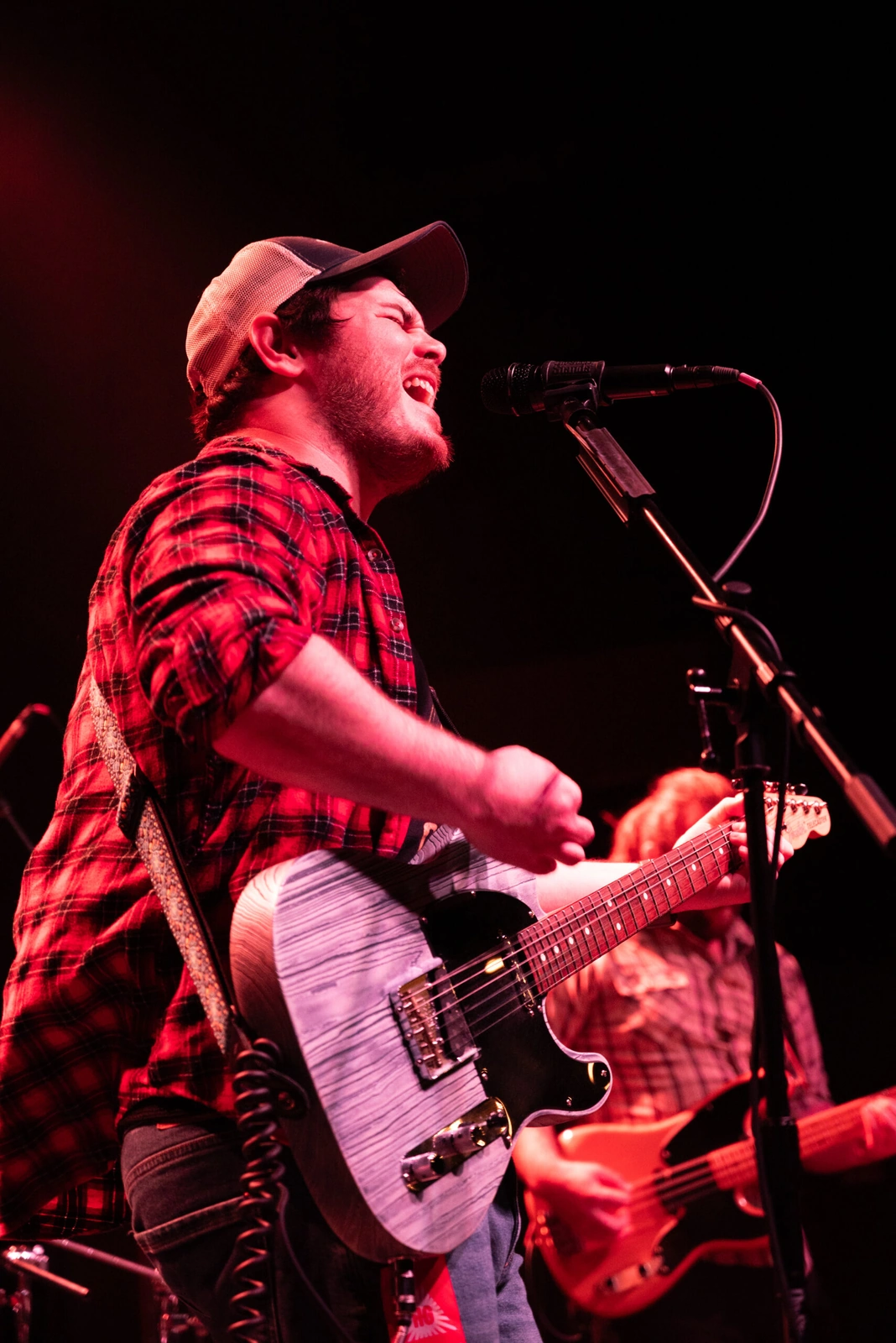
The songs have also reached the stage. In November 2025, he celebrated the release with a show at Foam Brewers. Music and Entertainers reported that he played it with his band, Ryan Sweezey and the Midnight Walkers. He is also an eight-time New England Music Awards nominee, with more than a decade of independent releases behind him.
MusicRoots.News’s curator team: “Maybe Magic keeps the evidence of where its songs came from. A breakup song from 2014 sits beside songs written years later. Yet one band’s arrangements let you hear the same writer across that whole stretch.”
For fans of melodic, story-led rock with folk roots, Maybe Magic is a strong place to start with Ryan Sweezey. Play it in order, from Lady Nomad to the title track.
Stream Maybe Magic in the player above, or on Apple Music and Bandcamp, then follow Ryan Sweezey on Spotify, Instagram, Facebook, YouTube, TikTok, X and the official site.





About The Author

 Where Deep Blue Sea Came From: Kadi Beth and a Mayday Call Over Dark Water
  Backyard Getaway by Emily Fraser, a Pop-Country Escape: The Long Version
  Why New Orleans Blues Rock Survived the Move to Switzerland on Rising by Jeb Rault
  Where I Asked Jesus & He Said No Came From: The Martha Groves Perry and Pat Thrall Protest Single
  Brandi Carlile’s Ted Lasso Theme Is the First Sung by a Woman
  Why the Aftermath Folk Song Survived: Foxy Leopard’s Children of the War Starts Where Battles End
  Maybe Magic by Ryan Sweezey and a Decade of Unfinished Songs: The Long Version