

Subsatellite by Lachie Hayes: The Long Version
A Catlins Songwriter, a Lyttelton Producer and Eleven Songs Tracked Live in Invercargill
The title track of Subsatellite started life as a quick, strummed acoustic song in the shape of an old Bob Dylan tune. By the time Lachie Hayes released the album on 16 July 2025, producer Delaney Davidson had slowed it to a crawl and hung a woozy, half-drunk guitar on it. Here is the long version: how a far-south songwriter made that record, and who carried it there.
Lachie Hayes is in the playlist below with the title track of Subsatellite, and the Lachie Hayes profile keeps the Southland story in one place. The album came to this desk through PopHits.Co Music Charts, which verifies independent artists and places their releases across its network of music news sites. Hear it first, then read the long version.

A Jimmie Rodgers Song at a Party in Gore
In fact, the producer arrived through an older song. Hayes had been asked to play background music at an after-party linked to the Gold Guitar Awards in Gore. That Southland town calls itself the home of New Zealand country music. Nobody seemed to be listening, so he played the old songs he loves. One of them was I’m Free From The Chain Gang Now. Jimmie Rodgers recorded it on 17 May 1933, nine days before he died. Davidson was listening after all. He came over at the end to say so, and the two talked.
About a year later, Blair Savory suggested asking Davidson to produce. Savory is the Sav in MASSAV, the Invercargill studio and label behind the album. By then a version of the record already existed. Davidson was slow to commit, so Savory sent him a video of Hayes playing. Then Davidson recognised the singer from the party in Gore, and he took the job.
That taste for old records runs in the family. Hayes grew up on a hill country sheep farm in the Catlins. His parents played in a group called Run The Cutter. In the early 2000s it was nominated for Best Folk Album at the New Zealand Music Awards. Their songs told grim stories from the country’s past, from Minnie Dean to the whaling years. Every week the family also drove about an hour to the country music club in Wyndham. Everyone in the room had to perform. His harmonica playing began at that club. Today Wyndham is where he lives and teaches.

The Lyric at the Centre of Subsatellite and the Small Town Characters Lachie Hayes Writes About
On the song that names the album, Hayes sings “I am a subsatellite baby”, and that line carries the whole record. A subsatellite is a theoretical small world that orbits a moon rather than a planet. Hayes uses the idea for the deep south of New Zealand. Indeed, it sits well outside the orbit of Auckland, further still from London or New York, and it makes records anyway. He has called it the most autobiographical song on the album, and its lyric refuses to be pigeonholed.
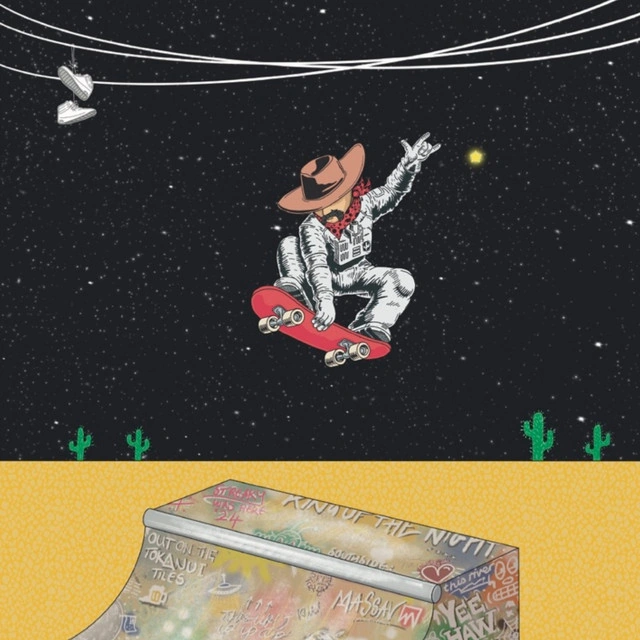
By contrast, the other ten songs hand the stage to other people. In his telling, they are ordinary people: a few heroes, a few villains and most somewhere in between. The Likes Of You opens the album with a put-down. King Of The Night Out On The Tiles follows a night on the drink. On stage he explains that “on the tiles” means exactly that where he comes from. Meanwhile Lonesome Hearted Lovers keeps the frame of a cowboy song. It trades the prairie for “central”, southern shorthand for Central Otago.
The second single, S.O.B, came out of the lockdown years. It follows old friendships that soured into feuds, a darker subject told with the same plain storytelling. This River, the first single, arrived in November 2024. It is a slow ballad about how the places we live can give and take away.
Two Guest Voices on Fire In My Heart and Easy To Fall For You
Two guests also widen the cast. Fire In My Heart, a soft country song, carries harmonies from Southland country singer Kayla Mahon. Hayes wanted the shared vocal feel of the duets George Jones and Tammy Wynette made in the 1970s. Melbourne-based New Zealander Oscar LaDell, a blues guitarist and a close friend, sings on Easy To Fall For You. He reaches up into falsetto on the album’s straightest blues. Davidson warned the pair that the song would make them sound like lovers. Still, they kept it as it was and left the listener to decide.

Five Days of Live Tracking in Invercargill and the Arrangements Delaney Davidson Gave Lachie Hayes
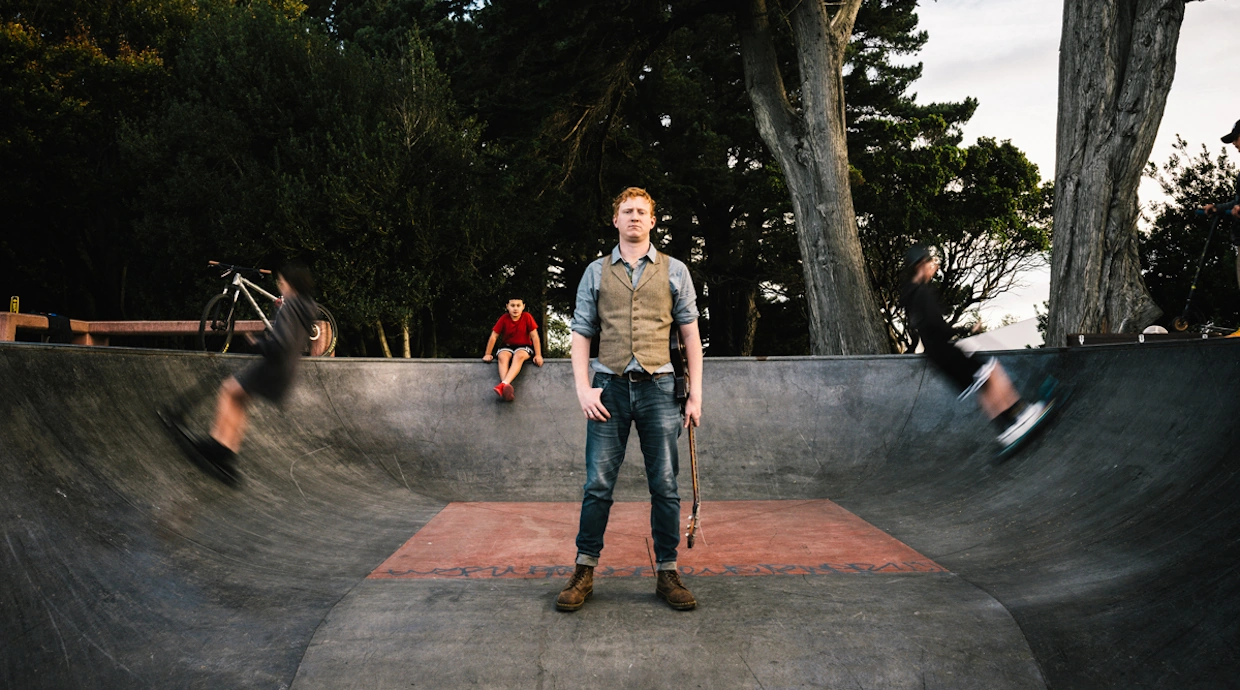
The album was tracked live over five days at MASSAV Studios in Invercargill, with Tahne Brown engineering and Savory co-producing. Invercargill drummer Matt Ward and Dunedin bassist John Dodd held down the rhythm. Hayes’ father, Steven Hayes, played violin and pedal steel, so the family band carried on into the studio. Almost a year later, a session at Sublime Studios added the final layers.
Davidson’s biggest change came on Subsatellite itself. Initially the demo was fast and jaunty. On the record it is slow and sleazy. The guitar sounds as though it stayed too long at the bar. Elsewhere he mostly reworked the colours. The production wraps edgy guitar tones, tremolo and organ around the stories. One day Davidson even reached for a bongo, an idea Hayes says he never saw coming. Some songs lean country, some lean blues and one or two push into hard rock. Even so, one studio sound runs through all eleven, and Hayes credits Davidson with holding it there.
The running order moves like a long night out. After the opening put-down, Foot Stompin’ Boogie runs past five and a half minutes, with the harmonica taking long turns against the guitar. The song Subsatellite sits fourth and the ballads gather at the centre. Last comes Woman That Tamed The Devil, closing on a stomp. In 2025 the album won Album of the Year at the Southland Entertainment Awards. Hayes was also named Southland Entertainer of the Year for a second time, seven years after his first win.
Outside Southland the record found readers too. It drew a long interview feature in NZ Musician and a track-by-track review from 13th Floor.
Where Subsatellite Sits in the Tradition Lachie Hayes Learned From
The Dylan echo in that first demo is worth following. Love Minus Zero/No Limit comes from Bringing It All Back Home, released in 1965. On that album Bob Dylan split his songs between an electric band and his own acoustic guitar. Subsatellite makes the same crossing inside a single song, from the strummed demo to the electric version on the record.
Above all, blues is the music Hayes says sits closest to him. Muddy Waters took the Mississippi blues he grew up with to Chicago in the 1940s. There he played it on an electric guitar. That move from country porch to city bar is the one Easy To Fall For You makes. Earlier still, Robert Johnson cut Me and the Devil Blues in Dallas in 1937. The devil has walked through the blues ever since. Hayes ends Subsatellite with a woman who tames him.
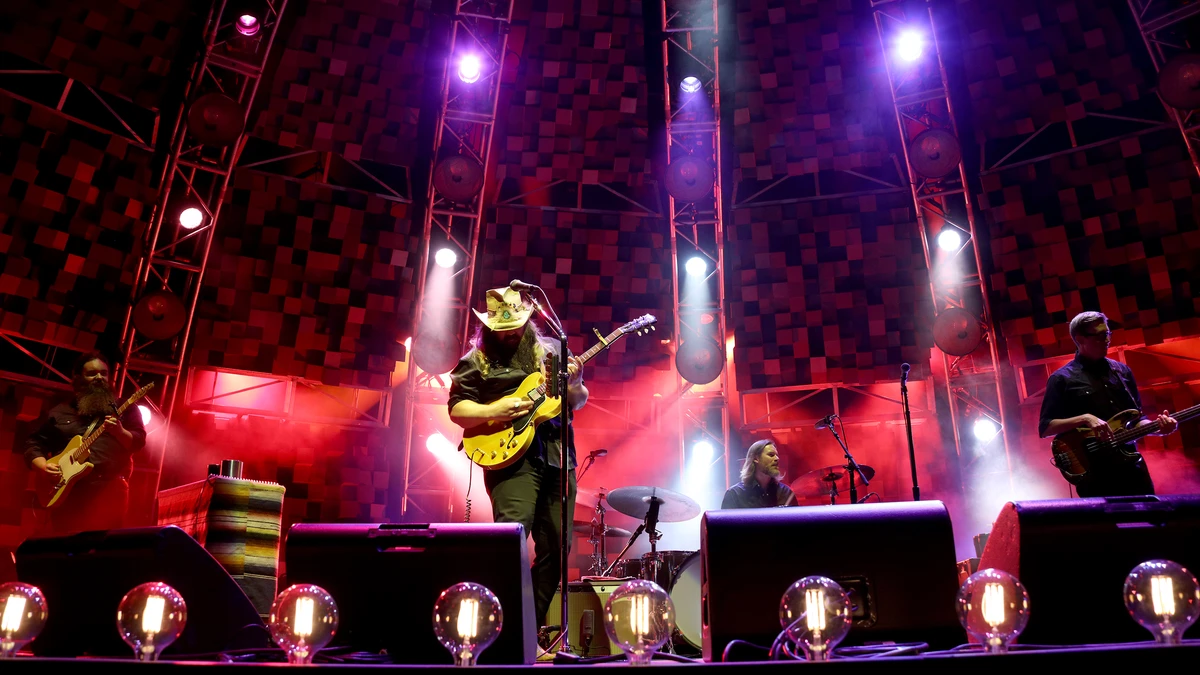
So the album suits listeners who follow a song back to where it came from. These are people who keep Jimmie Rodgers and Muddy Waters records close. They still want new writing from a small town at the end of the map. On stage Hayes leads the Tokanui Chainsaws, a band named after the Southland settlement where he grew up. Antonio Mercuri plays drums, Michael Crook guitar and Liam Fairbairn bass.
MusicRoots.News’s curator team: “Start with Lonesome Hearted Lovers, then go straight to the title track. The first shows a writer who can move a cowboy song to Southland without breaking it. The second shows what a producer can hear inside a demo. Subsatellite is out on vinyl as well as streaming. It rewards a whole side at a time.”
Stream Subsatellite on Apple Music, or buy it on Bandcamp. Follow Lachie Hayes on Spotify, Apple Music and YouTube, and on Facebook and TikTok.






About The Author

 Choosin’ Texas Started With a Kangaroo and Hit a 25th Week at No. 1
 Howard Gripp Built I’m Not My Yesterday on One Line, Then Gave It a Heartland Rock Band
 Where Main St Came From: Voiseau and a Film Scene That Turned Personal
 Letter to Myself Pairs Aurora Ardent’s Lyrics with Tommy Faragher’s Music and His Brother Davey’s Bass
 Why the “If I Were” Song Survived: Rich Anthony’s If I Were a Ghost Trades Chores for the Northern Lights
 Ned D. Opens Take it Easy with a Children’s Song About Mass Surveillance
 Subsatellite by Lachie Hayes: The Long Version