

Echo Union, The Door and One Changed Line: The Long Version
A Southampton Band, a Chorus Built on Showing Someone Out and a Rewritten Final Line
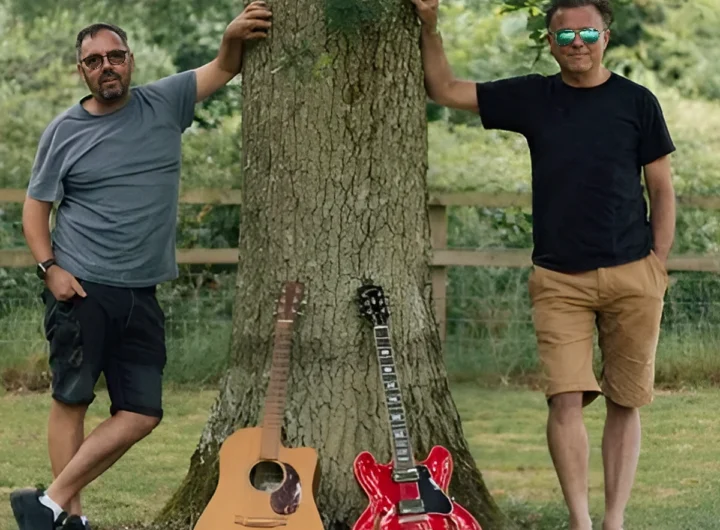
Echo Union build the chorus of The Door around one plain sentence: let yourself out, there’s the door. The Southampton band of Kev and Ant released the song on 6 February 2026. It was the third of the singles they have put out almost every month since December 2025, and it sits between indie rock and folk, with acoustic guitar at the front.
Echo Union have music in the playlist below, filed with this desk’s folk rock and country folk picks, and the band’s coverage so far is collected on the Echo Union profile. The Door reached MusicRoots.News through PopHits.Co Music Charts, which verifies independent artists and places their releases across its network of music news desks. Play it once, then read on for the line that changes at the end.

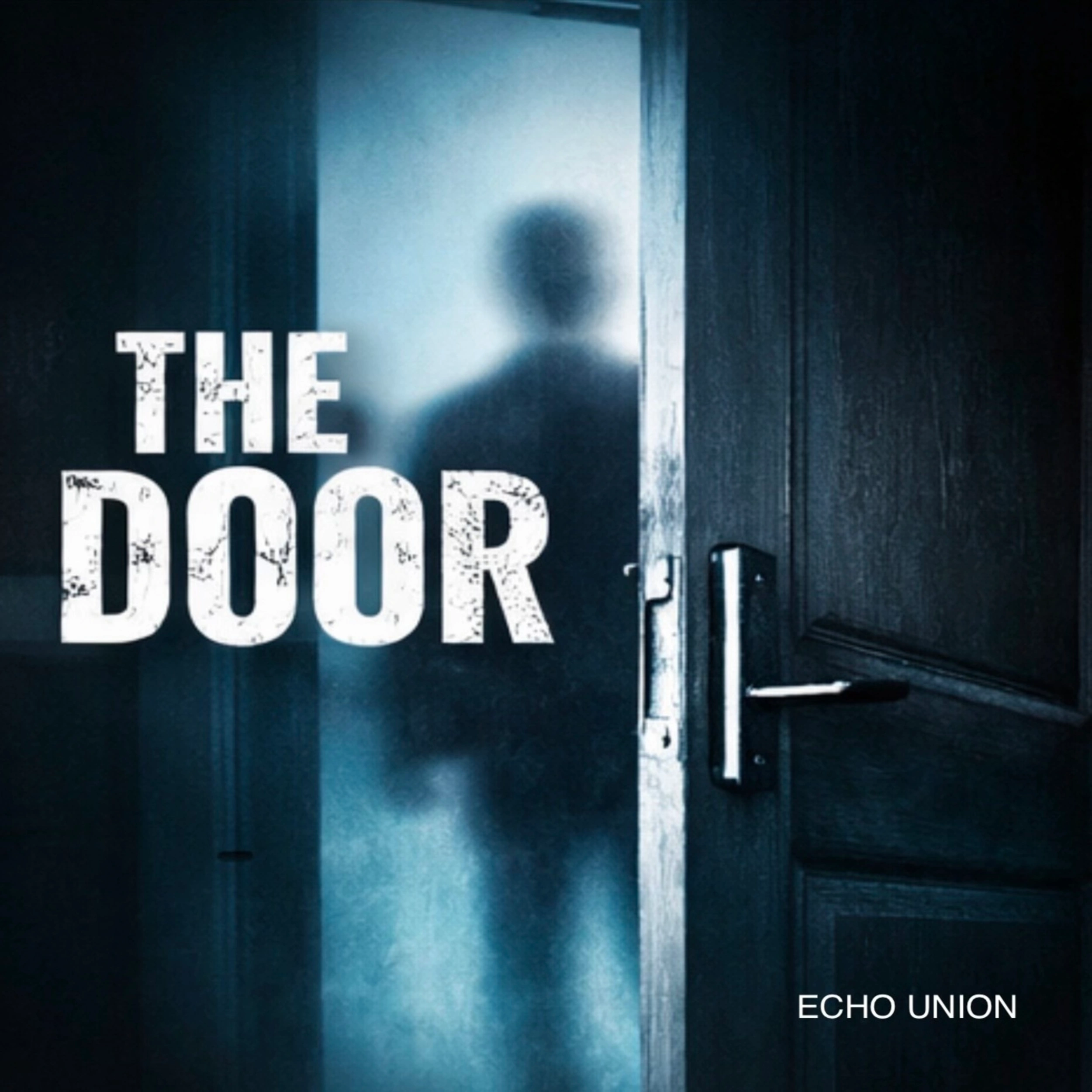
Echo Union Build The Door Around a Plain Spoken Line About Showing Someone Out
The hook is the title, and it arrives as something people actually say. Let yourself out is a polite phrase and a final one at the same time. It is what you tell a guest who knows the way. It is also how you end a conversation without raising your voice, and the chorus leans on that double meaning.
Before it, the chorus opens with a line of experience: but that’s OK, I’ve been here before. So the narrator is not surprised, and not broken either. Then comes the sting, a line about someone so full of themselves that their chin is now on the floor. It is a joke with an edge, and it keeps the song from turning into self-pity.
Ant sings it directly. Indie Dream, reviewing the single, described a delivery full of confidence, hurt and doubt at once, as if the song were being sung in your ear. As a result, the chorus lands as a decision rather than a complaint.

What the Verses of The Door Say, From the Bits in Red to a Torn Out Heart
The verses tell the story in small pieces. The narrator needs a little time to work out what was said, and admits to not liking the bits in red. It reads like someone going through a letter or a message with the worst parts marked. Next comes a need for space to fix a torn out heart, and a fear that the world is about to fall apart.
The second verse is sharper. Here the narrator has just picked up the part where the other person claims to have all the say. That detail explains the chorus. When one side decides everything, showing them out is the only move left.
The Mexican blog Indie Dream heard it the same way in February 2026. Its review called it a song about self-respect, about putting yourself first and closing the door on what hurts. It also picked out the chin-on-the-floor line as the one that stays with you.


Echo Union Keep The Door Simple, Then Change One Line in the Final Verse
The structure is plain on purpose. A verse leads to the chorus, then a second verse and the chorus again. After that, instead of a bridge, the song drops into a wordless passage of sung vowels, then returns to the chorus one last time. The whole thing runs to 3:34.
The craft is in the ending. The opening verse comes back almost word for word, but its last line changes. At the start, the narrator is thinking things through before my world falls apart. At the end, the same lines lead to now my new life’s about to start. One rewritten line turns the song from a breakup into a fresh start.
Indie Dream noticed that restraint too. It heard a steady groove and strummed acoustic guitars, with no dramatic shifts and no crowded arrangement. The song also holds up stripped back: in March 2026 the band posted a live acoustic version on their YouTube channel.
Where The Door Came From, and Who Carried Echo Union to Music in the City
Kev and Ant have written and played together for more than twenty years. They toured as musicians with signed artists and began by writing songs for other performers. Eventually, the songs became too personal to give away, and Echo Union was the result.
Their writing covers relationships, loss, resilience and regret, and the band name Bruce Springsteen, Foo Fighters and Sam Fender among their influences. The lineage makes sense. Springsteen recorded Nebraska alone at home on a four-track in 1982, and it showed how far a song can travel with a guitar and a voice. Similarly, Sam Fender took Seventeen Going Under, an album of North Shields stories told in everyday speech, to No. 1 in the UK in 2021. The Door works in that plain-spoken tradition, on a smaller scale.
Since The Door, the singles have kept coming. Take Me Back reached No. 1 on the Voice FM chart twice, and Until You Needed Money, out in August 2026, was their first single with producer James F Reynolds. Then, on 12 September 2026, Echo Union played their first live shows at Southampton’s Music in the City festival, with sets at The Rock Vault and on the Voice FM Sound Stage.
From the Curator Team: “The second verse of The Door is half the length of the first. That choice gets the song back to its chorus before the argument can start again, which is exactly how the narrator wants the conversation to end.”
Stream The Door on Spotify and find Echo Union on Apple Music. Follow the band on Instagram, TikTok and Facebook, and keep up with new releases on the official website.














About The Author

 Heart Don’t Forget: Dunn & Dusty Show Why the Breakup Duet Survived
  Where Rustic Glory Came From: A Happy Curmudgeons Memory Song with Hendrix’s Bassist as a Guest
  Zach Bryan Set His Next EP for October 16 From a Toronto Stage
  Betrayed by Dunn & Dusty: The Long Version of a Heartbreak Told in Four Chapters
  Where The Ballad of Rigger Morris Came From: Alberta’s Oil Patch in a Cowpunk Song
  Why the Sequel Song Survived: Echo Union Start Where Oasis Left off on Until You Needed Money
  Echo Union, The Door and One Changed Line: The Long Version