

Why the Blues Homecoming Survived: Seßler/Zeeb's Bring It on Home Adds a Gospel Choir
The German Duo Set a Homecoming Song in Blues Rock, Soul, Americana and Gospel
Bring It On Home is a blues rock song about finding the way back after life’s detours. Seßler/Zeeb, the duo of songwriter and singer Kurt Seßler and multi-instrumentalist and producer Werner Zeeb, released it on 11 September 2026. The arrangement brings in soul and Americana, and a subtle gospel choir sits behind the lead vocal.
Seßler/Zeeb’s Bring It On Home sits in the playlist below, among this desk’s americana and roots rock picks, and their coverage is gathered on the Seßler/Zeeb profile. The single reached MusicRoots.News through PopHits.Co Music Charts, which verifies independent artists and places their releases across its network of music news desks. Have a listen, then keep reading for the story behind the song.


Bring It On Home Joins a Phrase Passed Along Through Blues and Soul Since the Early Sixties
The title carries a long history before the first note plays. Sam Cooke took Bring It On Home to Me into the charts in 1962. Around the same time, Willie Dixon wrote a Bring It On Home for Sonny Boy Williamson II. In fact, the phrase has been passed along through blues and soul for more than sixty years. It usually means the same thing, too: a plea, a promise, or a road that finally turns towards home.
Seßler/Zeeb’s song, however, is a new one. Apple Music credits Kurt Seßler as composer and lyricist, with Werner Zeeb as producer. So the duo are not covering the tradition. Instead, they are writing into it, which is a different and harder job.

Why Bring It On Home Follows a Long Line of Blues and Gospel Songs About Returning
The homecoming song survives because the situation never goes away. People leave, lose their way and try to get back, and the blues has always had room for that story. Gospel adds the other half. In a church song, the way home is never walked alone, and a choir is how the music shows it.
That is the logic of the arrangement here. First, the lead vocal tells the story of the detours. Meanwhile, the choir elements stay in the background, and they never take over the song. Instead, they suggest that someone is waiting at the end of the road. It is a modest use of a big tradition, and it suits a song about coming back rather than arriving in triumph.
The roots palette is also a new direction for the duo. By their own description, their earlier catalogue spans rock and pop, with influences from progressive rock. Märchen, their album, arrived in March 2022, and the German-language singles Wenn and N.N. followed in 2023. Next, they began releasing songs in English in 2024 with If No One, If You Believe Me and Superstar. Then came Anonymous Date in 2025 and Soul Free in March 2026, which drew write-ups from Illustrate Magazine and the Spanish-language La Caverna.


Kurt Seßler Writes and Sings While Werner Zeeb Plays Every Instrument and Produces
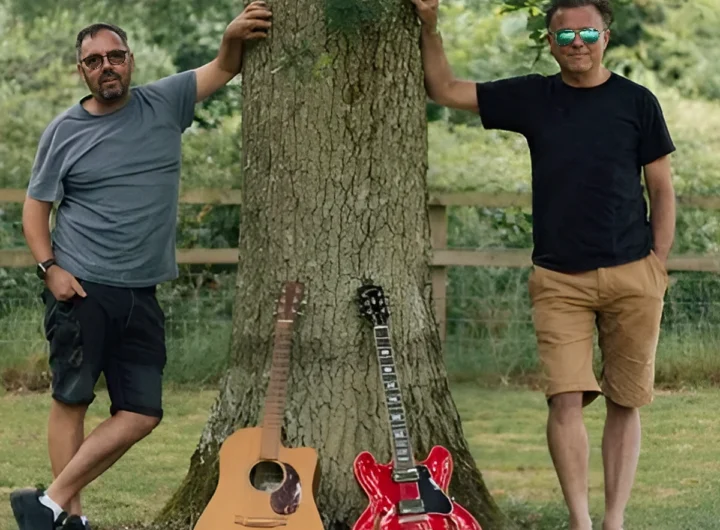
The working method explains a lot about the version on record. By the duo’s own account, Seßler writes the songs and sings lead, while Zeeb performs all of the instruments and handles the production. Both are based in the south of Germany. They had known each other for a long time before they began working together in the summer of 2021. Since then, they have released twenty original songs.
A two-person method shapes a blues rock arrangement in a particular way. Every instrumental part comes from one player, which gives the arrangement a single point of view. As a result, the choir elements become the widest sound on the record. That fits a song about not walking the last stretch alone.
At three minutes and forty-five seconds, the single keeps to a traditional length. It does not stretch into a jam. Above all, the structure stays in service of the story, which is how most of the old homecoming songs worked as well.
Independent Radio Support and the Bands Closest to This Sound
Their earlier releases have found an audience on independent radio. Several tracks reached the top ten on Glacer FM, an internet station for unsigned and independent music, peaking at number four. Their music has also been played on a European indie network show broadcast on more than sixty stations.
For listeners who like the blues rock of Tedeschi Trucks Band, where soul singers and a gospel feel sit inside a guitar band, Bring It On Home offers a smaller, home-made version of the same idea. Similarly, fans of The Black Crowes and their early records, which mixed blues rock with soul and gospel colour, will recognise the blend.
MusicRoots.News’s curator team: “A homecoming song is one of the oldest jobs in the blues. Seßler/Zeeb keep it simple, with a blues rock frame, soul and Americana in the blend, and a gospel choir held back so that the return feels shared rather than solitary.”
Where to Hear Bring It On Home and Follow Seßler/Zeeb on Streaming and Social Platforms
Listen to Bring It On Home on Spotify. Then follow Seßler/Zeeb on Spotify, Apple Music, Deezer, SoundCloud and their YouTube channel, and find Kurt Seßler on Facebook. Their full discography and radio news are on the duo’s official website.















About The Author

 Echo Union, The Door and One Changed Line: The Long Version
  Heart Don’t Forget: Dunn & Dusty Show Why the Breakup Duet Survived
  Where Rustic Glory Came From: A Happy Curmudgeons Memory Song with Hendrix’s Bassist as a Guest
  Zach Bryan Set His Next EP for October 16 From a Toronto Stage
  Betrayed by Dunn & Dusty: The Long Version of a Heartbreak Told in Four Chapters
  Where The Ballad of Rigger Morris Came From: Alberta’s Oil Patch in a Cowpunk Song
  Why the Blues Homecoming Survived: Seßler/Zeeb’s Bring It on Home Adds a Gospel Choir