
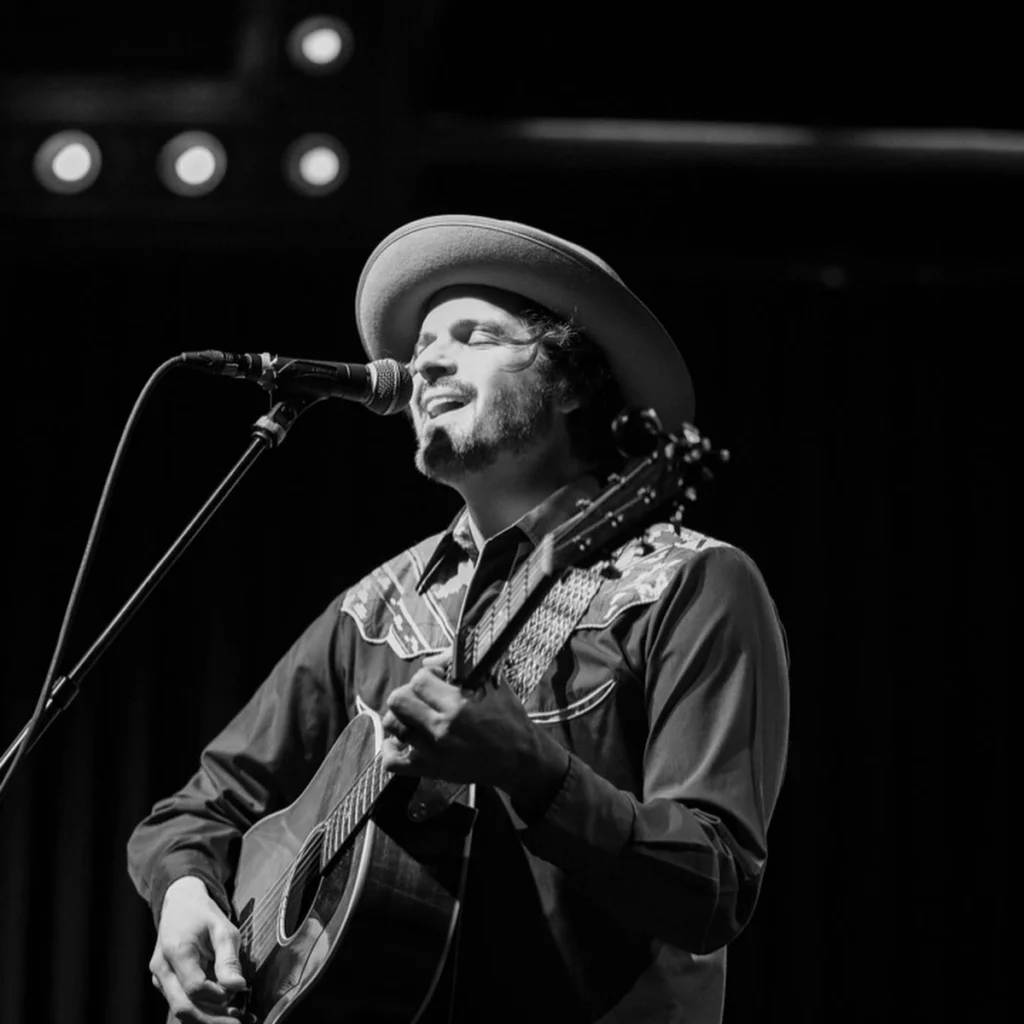
Rich Swanger Late Bloom: the Long Version, From Appalachia to Oregon
An Americana Songwriter Who Takes Years Over A Song, and Named This One Accordingly
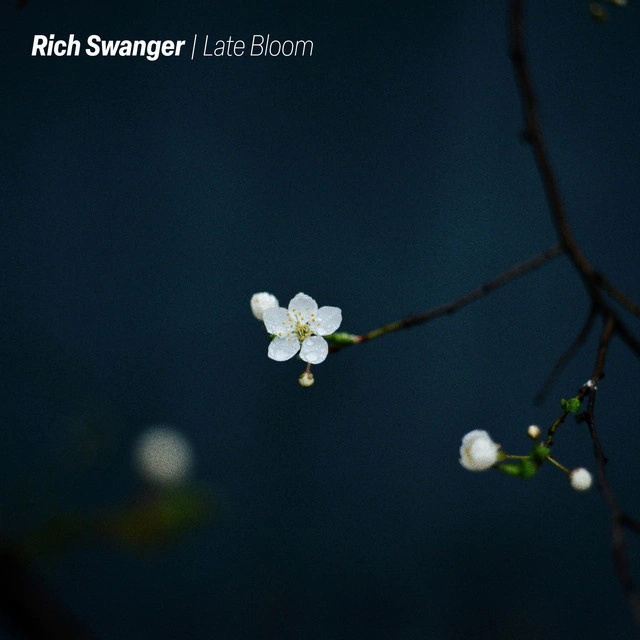
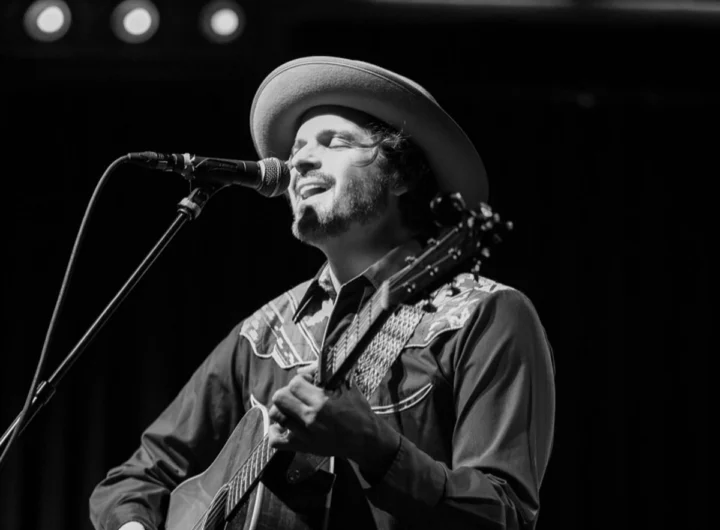
Rich Swanger released Late Bloom on 21 August 2026. He is an Oregon songwriter who grew up in the Appalachian hills of Pennsylvania, has four full-length albums behind him, and once spent close to fifteen years finishing a different song. The title of this one is not accidental.
You can listen to our full playlist which contains the artist’s music, and know more about the artist’s work by scrolling down the page.

Rich Swanger Took The Long Way To Late Bloom, From Appalachia To Oregon
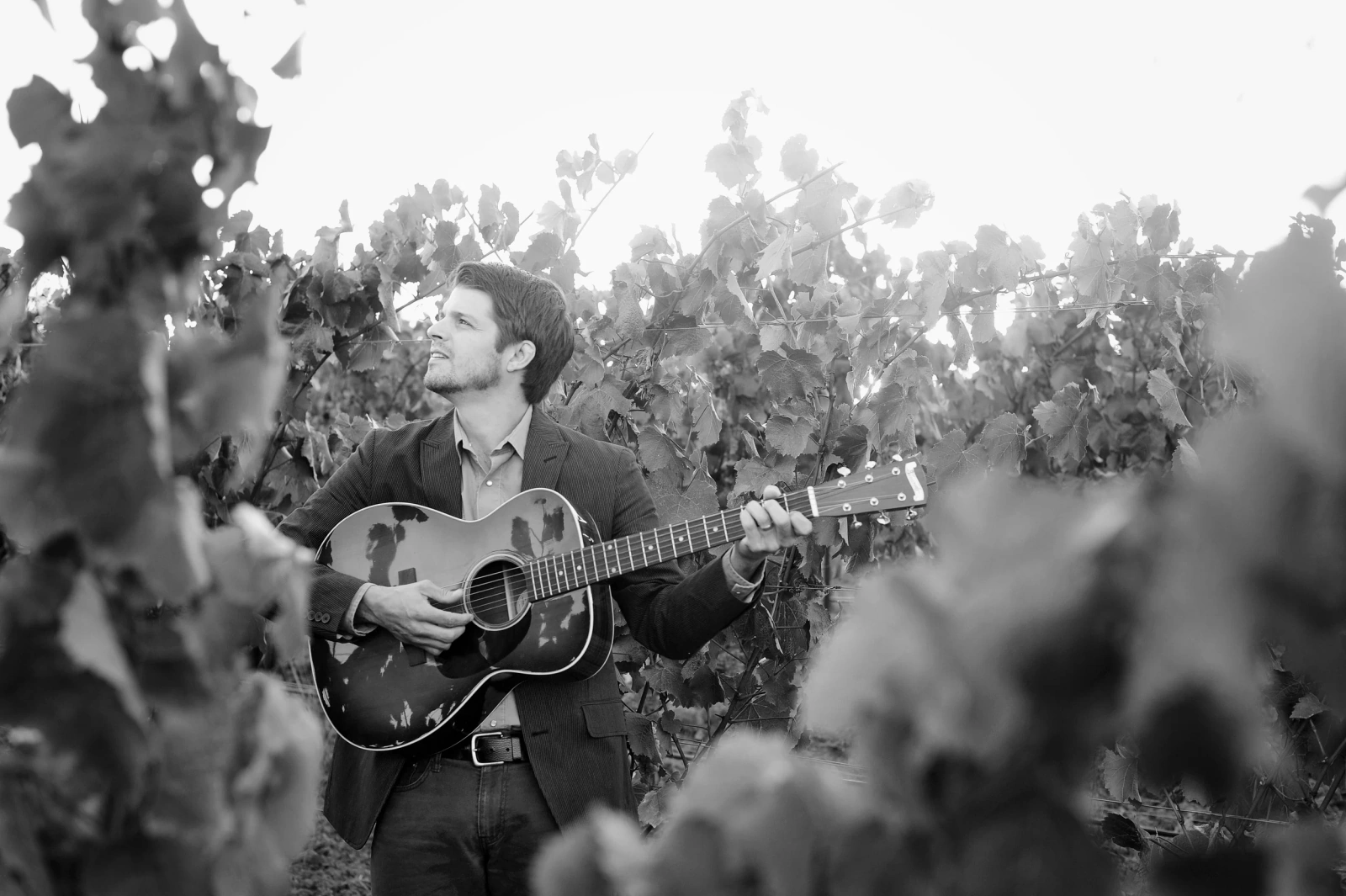
Provenance is the useful thing to know about Swanger, because his writing is built out of it. He absorbed the storytelling tradition in Pennsylvania, then carried it across the country to Salem, Oregon. He plays regularly around the Pacific Northwest now, often with his Little Known Band.
The catalogue is longer than the profile suggests. Four full-length albums exist, and he recorded two of them under a different name entirely, the moniker Seahorse. That is worth pausing on. A songwriter who has already released half his work under another identity has a different relationship with arrival than one still waiting for a first record.
There is also a track record most independent artists would take. The television series Shameless has used one of his songs. Another, Didn’t Make a Sound, won the songwriting contest at the Portland Folk Festival. He has played TEDx Portland. None of that is a chart position, and none of it made him a household name, which is rather the point of a song called Late Bloom.

The clearest evidence of how he works came with the single before this one. Writing about Time Is a Bird for Big Takeover, the reviewer noted that the release had been nearly fifteen years in the making. The same piece traced Swanger’s reference points to the mythologist Joseph Campbell, alongside the sonic palette of the Beatles and Wilco.
Fifteen years is not writer’s block. It is a writer treating a song as something to be finished properly rather than shipped on a schedule. It also explains why Campbell turns up in the work and not merely in the interviews. A songwriter reading about myth structure is thinking about how a story resolves, not about how a chorus lands.

The Lyric In Late Bloom, And What Rich Swanger Left Unresolved
Swanger has described what he wanted from the track. “I wanted ‘Late Bloom’ to feel like a lantern swinging in the dark,” he said, before adding that it is a song about finding beauty and revelation even when things unfold on their own timeline.
That image does a lot of work. A lantern swinging in the dark is light you can see by, but it moves, and it only shows you the next few feet. It is a fair description of a certain kind of Americana writing, the sort that hands a listener a scene rather than a conclusion. It suits a song whose subject is patience.
The arrangement follows the same logic. Swanger works in folk, gospel and country blues, and those three traditions share a tolerance for songs that circle rather than climb. A gospel line repeats until it means something. A country blues version of a song is rarely the only one. Neither form is in a hurry, which suits a writer who is not either.
His own register is wry rather than solemn. His profile calls him an Oregon songwhittler, which is a better word for the method than anything a review could invent. Whittling is subtractive. You get there by taking away.
Where To Hear Late Bloom And Follow Rich Swanger
The listener this suits already owns records by Wilco, named in that same Big Takeover piece as part of the palette, and by Gillian Welch, whose work sits in the same unhurried corner of American song. It is music for people who do not mind waiting for the second verse.
MusicRoots.News’s curator team on why it earned a slot:
“A song called Late Bloom from a writer with four albums, two of them under another name, and a fifteen-year gestation on the last single. The title is not a metaphor he reached for. It is a description of the working method.”
You can hear Late Bloom on Spotify and find the wider catalogue on Apple Music. There is more, including dates, on his official site.
Follow him on Instagram, Facebook and his YouTube channel.





About The Author

 Mark Vennis Fighting on All Fronts: Where Thirteen Songs Came From, One Weekend at A Time
  Daniel Grimsland Devils: Where the Song Came From, and Why He Recut It Twelve Years On
  Matty Frank and Dooda: Where the Moths and Omnichords Came From
  Miko Marks Opens Hell Or High Water at the Little Bighorn
  Hot Club of Cowtown Answered a Village Voice Ad and Stayed Thirty Years
  Marty Stuart Made a Surf Guitar Album on Clarence White’s Telecaster
  Rich Swanger Late Bloom: the Long Version, From Appalachia to Oregon