
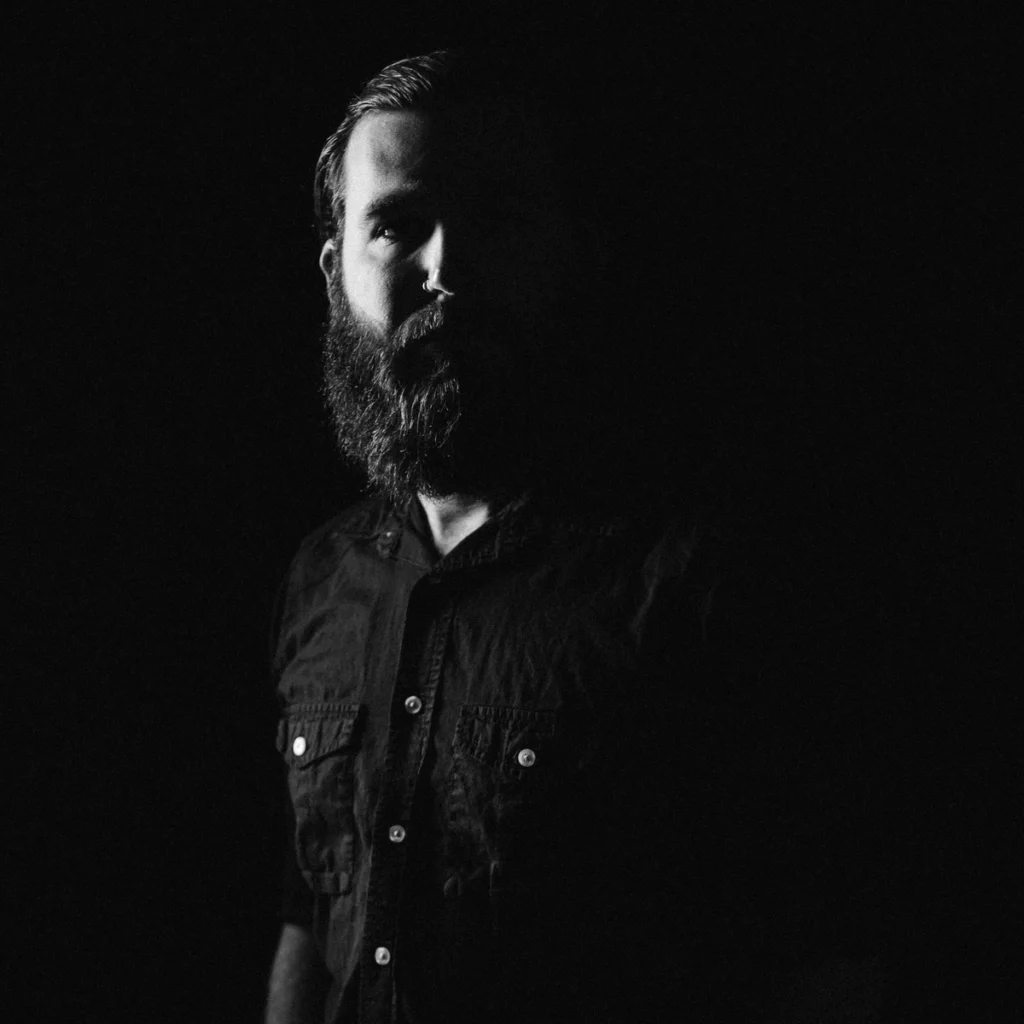
Daniel Grimsland Devils: Where the Song Came From, and Why He Recut It Twelve Years On
A 2013 Grape and the Grain Song, Re-Recorded Alone for the 2025 Blues and Garage Rock Single
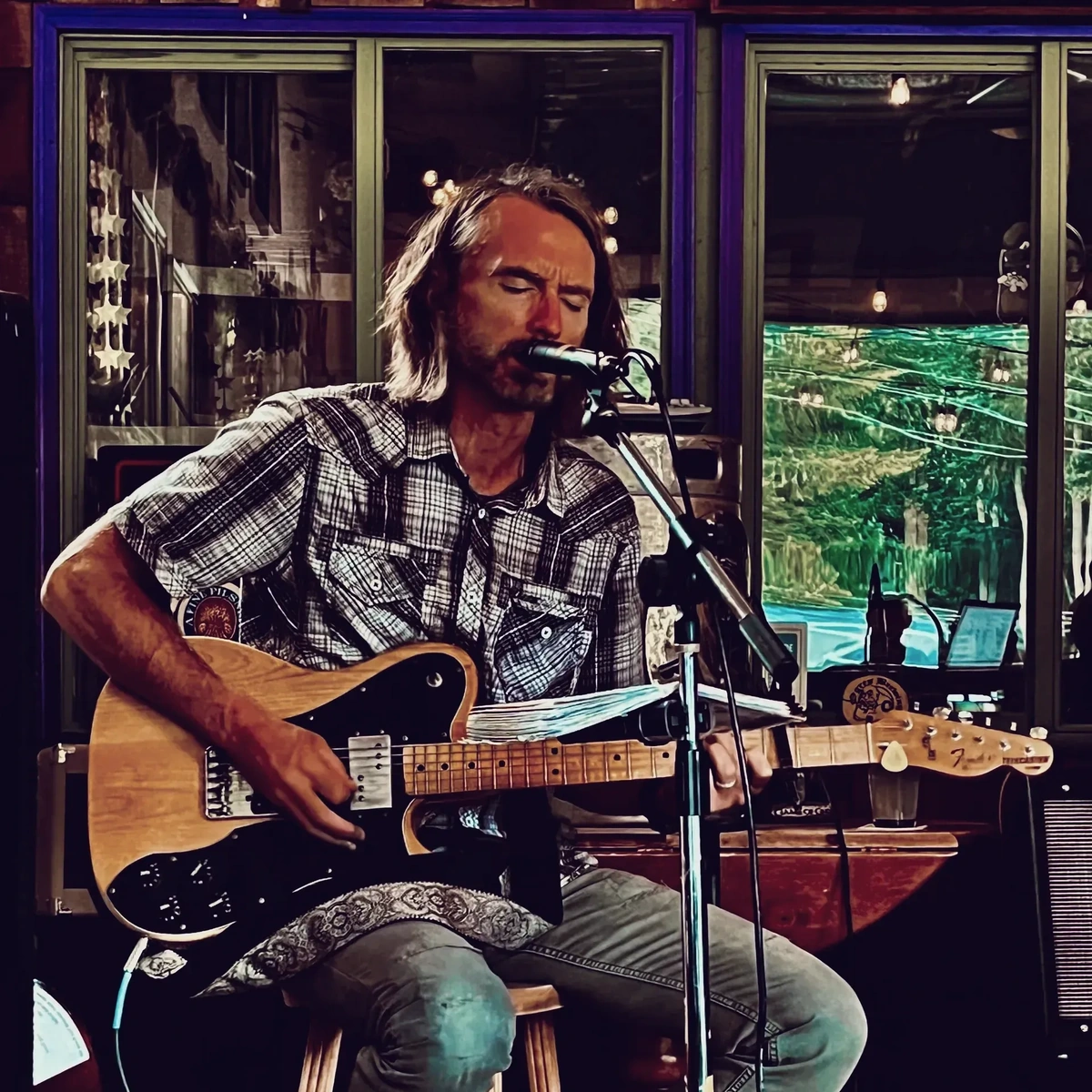
devils opens on a guitar figure and a narrator already sure how the night ends. Daniel Grimsland released devils as a solo single on 7 February 2025. He played every instrument on it himself. The song is twelve years older than that date, and the distance it travelled is the story.
Daniel Grimsland appears in the playlist below, and his artist profile tracks the releases these desks have covered. Devils found this title through PopHits.Co Music Charts, which verifies independent artists and places their releases across its network of music news sites. Cue it up before the detail below.


Daniel Grimsland First Cut Devils In 2013 With The Grape And The Grain
The first version of devils is not a solo record. It sits on Better Keep Digging, the debut album by The Grape And The Grain. Grimsland founded that group in 2012, after years in the Woodstock progressive rock band 3. The album went out on 9 April 2013. The song has been in his hands ever since.
He explains the return himself in his own note on the release.
“This song was first released in 2013, on the first The Grape And The Grain album “Better Keep Digging”. I had a lot of fun re-working this song, and there are more songs from that era to come!!”
That last clause matters. A writer working back through a decade-old catalogue is doing something other than chasing the next single. So the 2025 recording is a version, not a reissue.
The credits read differently too. Grimsland played every instrument, then recorded, produced and mixed it. Peter Ivan at Spyn Music added production, and Dan Coutant mastered it. A song that began as a band arrangement came back as one player’s account of it.
Anyone curious about the source can still hear the original on the band’s page for Better Keep Digging. Then play the two back to back. After all, a dozen years of touring and studio work changes what a writer hears in his own song.

The Guitar Figure Carries The Weight In Blues, Classic Rock And Garage Rock
devils rests on its guitar. The three traditions Grimsland works in each ask a guitar figure to do a different job.
Blues asks the figure to carry weight. It sits low and repeats until the repetition becomes the point. Howlin’ Wolf cut sides that way, with a riff working as a floor rather than a flourish.
Garage rock asks close to the opposite. The figure goes fast, loud and a little past the edge of clean. The Sonics recorded their mid-sixties singles with the levels running hot on purpose. Classic rock arrived after both, and wanted the riff big enough to fill a room.
devils refuses to average the three out. Underneath, the gritty pulse and the figure on top pull in different directions. Crucially, the recording keeps that pull rather than smoothing it. The Black Keys built two decades of records on the same tolerance. They took blues forms into a room and left the edges on.
This suits the listener who keeps a shelf of blues reissues beside a stack of garage singles. That listener never treated them as separate shelves.

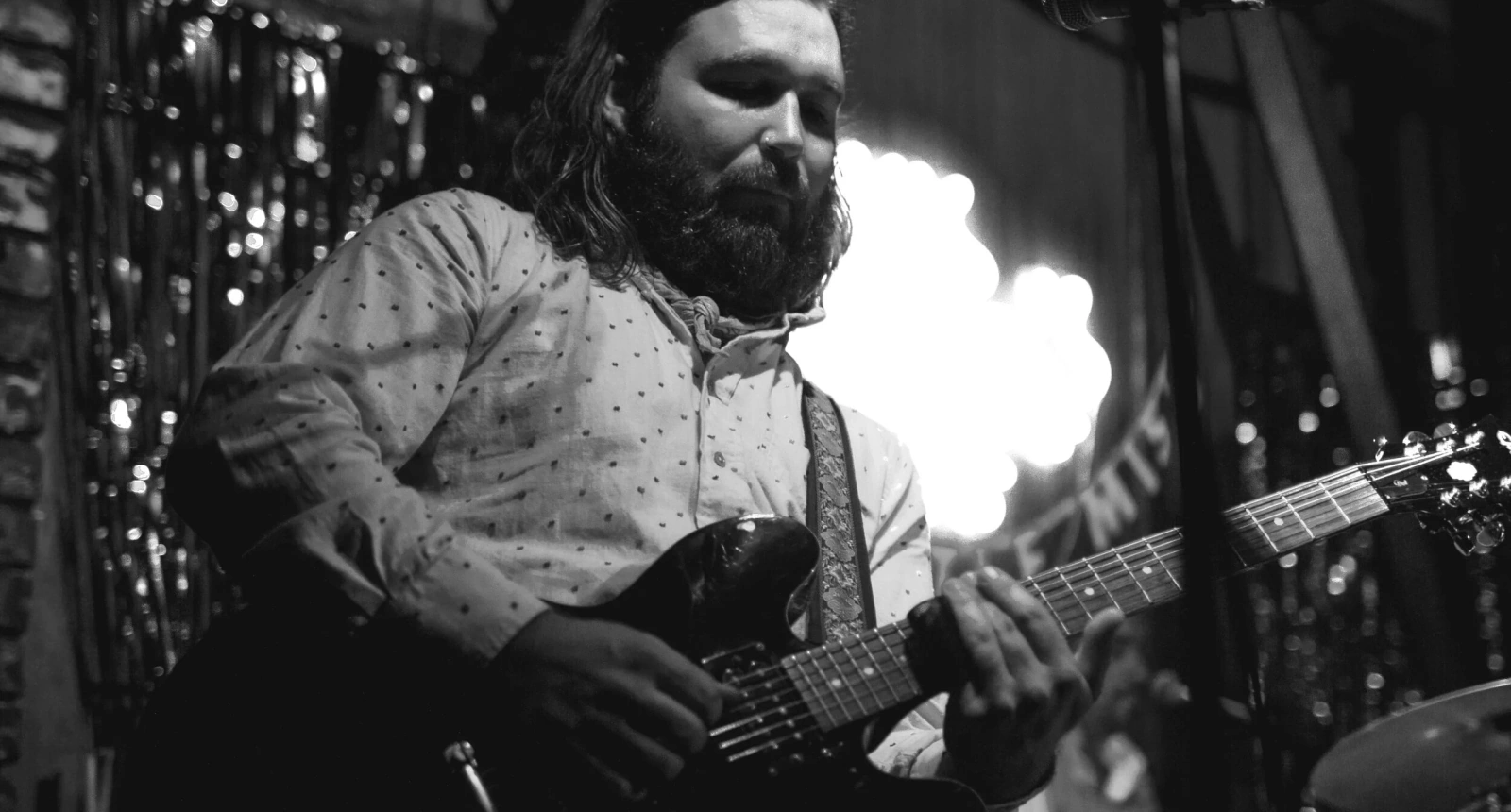
What The Devils Lyric Says, And What Daniel Grimsland Left Alone
The writing is plainer than the arrangement. It opens with advice the narrator has heard too often, then discards it.
“Live your life, they all say, before you grow too old and it all goes away.”
The reply is the hook the title comes from: a devil on each shoulder, and no intention of heeding either. By the last verse the tone has turned. The singer wakes somewhere he does not recognise, asking who he is with. That same line about the devils now lands as a warning rather than a boast. Grimsland does not resolve it. Instead, the song simply stops.
Grimsland has said he “set out to create something raw and honest”. That is a writing standard before it is a recording standard. It rules out the tidier line, and the chorus that resolves because a chorus is supposed to resolve. The blues tradition has always granted writers permission to leave a phrase unfinished. Players learned the form by ear and changed it a little each time they passed it along. Recutting a song twelve years on applies that permission to his own catalogue.
The working method is not new either. He told ShoutoutLA that he improvised his first release under his own name, the 2020 EP The Upsides Of Quarantine, in his home studio. One instrument at a time, he kept whatever came out on the first try. VoyageLA profiled him earlier still. Both point at one habit: commit to the take, then build the record around it.
Where Devils Lives Now, And How To Follow Daniel Grimsland
MusicRoots.News’s curator team on why it earned a slot:
“devils works better inside a roots sequence than a rock one. Put it after a country-blues side and the guitar reads as lineage. Put it after a modern rock single and it reads as restraint. Few records change shape depending on what plays before them. This is one.”
The 2025 recording streams on Spotify and Apple Music. Meanwhile, the wider catalogue sits on Bandcamp and SoundCloud. His official site carries the tour dates and the studio work.
Listeners following the record can find him on Instagram, TikTok, Facebook and X. Start with devils, then work back through the rest.











About The Author

 Why the Glockenspiel Survived: Bed by Stacy Henle and the Craft of a Quiet Folk Single
  Maybe Magic by Ryan Sweezey and a Decade of Unfinished Songs: The Long Version
  Where Deep Blue Sea Came From: Kadi Beth and a Mayday Call Over Dark Water
  Backyard Getaway by Emily Fraser, a Pop-Country Escape: The Long Version
  Why New Orleans Blues Rock Survived the Move to Switzerland on Rising by Jeb Rault
  Where I Asked Jesus & He Said No Came From: The Martha Groves Perry and Pat Thrall Protest Single