
Where I Asked Jesus & He Said No Came From: The Martha Groves Perry and Pat Thrall Protest Single
A San Francisco Songwriter and Pat Thrall Build a Blues Protest Song From Questions
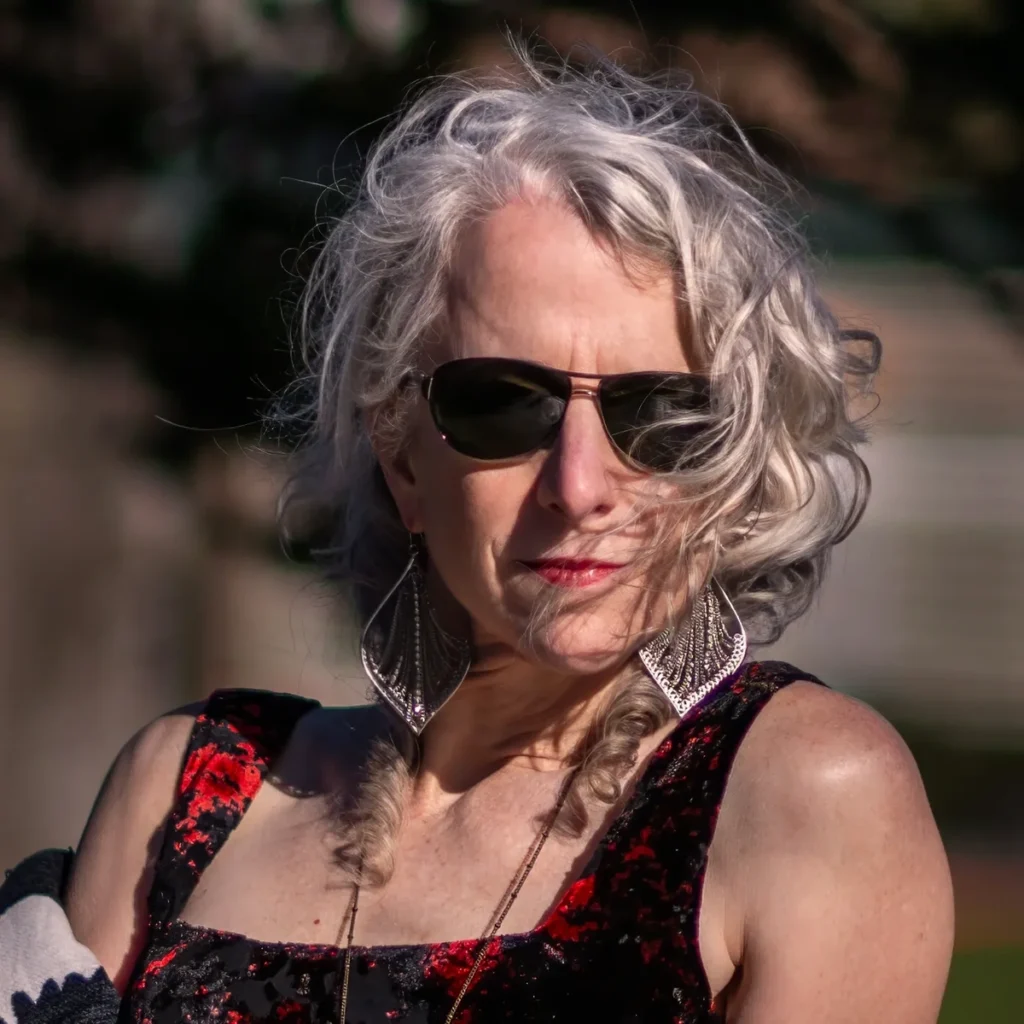
Martha Groves Perry cut the vocals for I Asked Jesus & He Said No in June 2026 at The Hideout Recording Studio in Las Vegas. Everything around them came from one player: Pat Thrall, the guitarist known for the Pat Travers Band and Meat Loaf, who arranged the track and played guitar, bass and drums himself. The San Francisco songwriter released the gritty blues rock protest single on 23 September 2026.
Martha Groves Perry’s I Asked Jesus & He Said No now sits in the playlist below, and her artist profile lists the full run of coverage. The single came to this desk through PopHits.Co Music Charts. That programme verifies independent artists and places their releases across its network of music news desks. Listen to the refrain, then read on for where it came from.

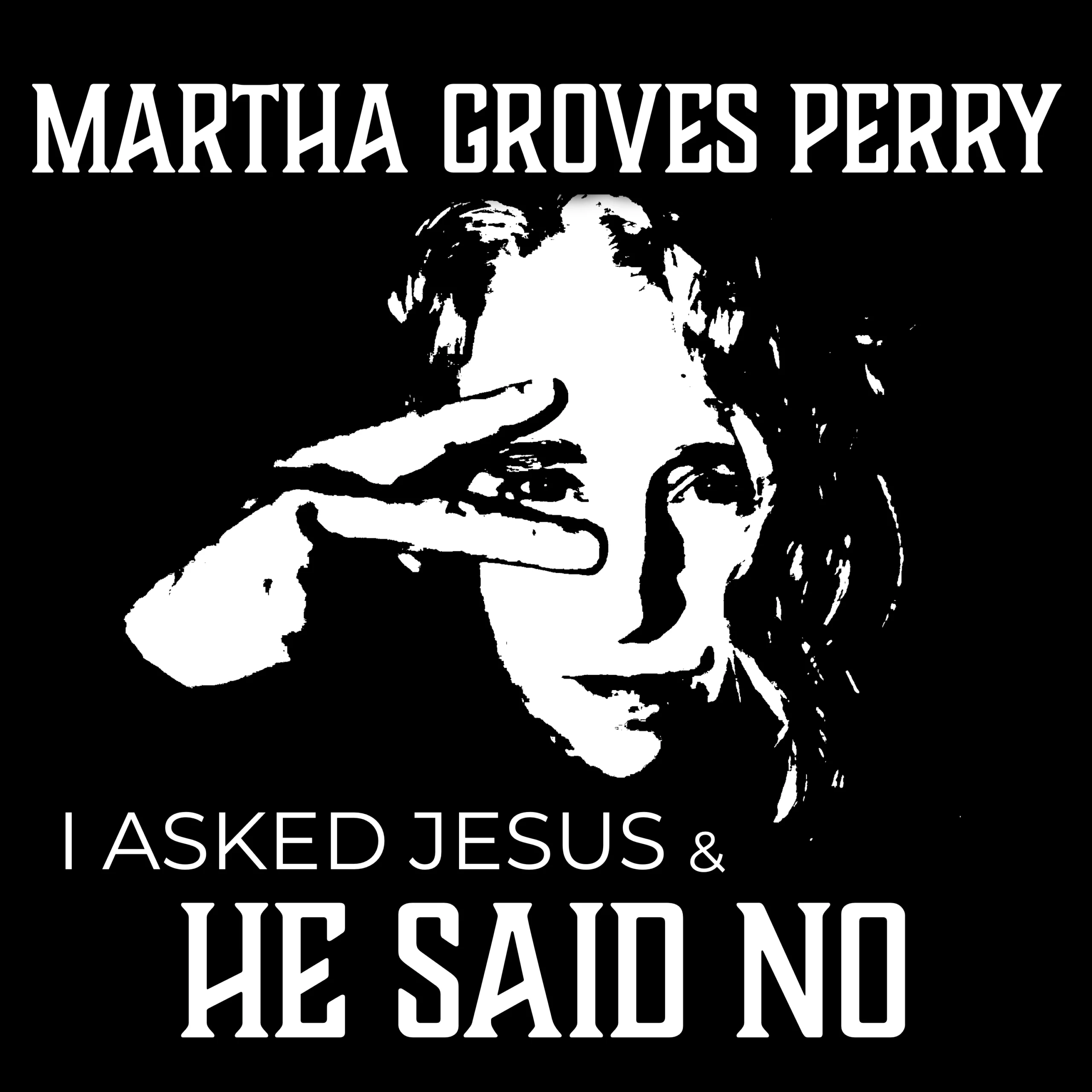
Martha Groves Perry Builds Her Hook on One Repeated Answer to a String of Questions
The hook is the title, and it works as an answer. Every verse asks a question about whether to look away, and every verse ends the same way: “I Asked Jesus & He Said No”.
That shape is old, and it is sturdy. A question goes out, the same reply comes back, and Perry sings that reply twice at the end of each verse. As a result, a listener can join in by the second round.
Perry wrote the lyric and the melody, and Thrall shares the writing credit. In the release notes, Thrall describes the song as coming from a place of empathy and soul searching, a song that holds up a mirror.

The Lyric Asks Whether to Look Away, Then Turns the Question on the Listener
The verses are specific. They ask whether to look away while a pardon is handed out, whether to watch civil rights fall like dominoes, and whether to accept a rollback of DEI. One verse asks what to do when a masked man in a van takes a friend.
Perry frames it in her own terms as a song about speaking up rather than staying fearful and silent. Its target, in her description, is the use of the name of Jesus to justify political agendas. She calls the result both a testimony and a call to action.
Then the bridge turns outward. It stops asking what she will do and asks the listener instead whether others will read silence as agreement. Near the end, the lyric even hands over the pen: there are more verses to write, and the song invites the listener to write some.
Protest songs built on a question have a long line behind them. Bob Dylan asked whose side God was really on in With God on Our Side in 1964. Similarly, Mavis Staples has spent decades carrying gospel-rooted songs into the fight for civil rights. I Asked Jesus & He Said No sits in that tradition, with a rock band’s weight behind it.


Martha Groves Perry and Pat Thrall Carry I Asked Jesus & He Said No From Groove to Outro
Under the questions sits a grinding, guitar-driven blues rock groove. Thrall built it alone. He created the arrangement and played every instrument, then engineered, mixed and mastered the track. Drums, according to the release notes, were his first instrument.
The chant section strips the words back to a run of nah, nah, nah before the last verse. After that, the outro becomes a dialogue between Perry’s voice and Thrall’s guitar, with the refrain cut down to its last three words, over and over. The whole track runs to four minutes and two seconds.
The partnership itself began in 2025, after Thrall heard Perry’s songwriting. This is the second of seven singles they are making together. The first, Be Right Back, came out in January 2026 with vocal arrangements by Clarence Collins, a Rock and Roll Hall of Fame inductee.
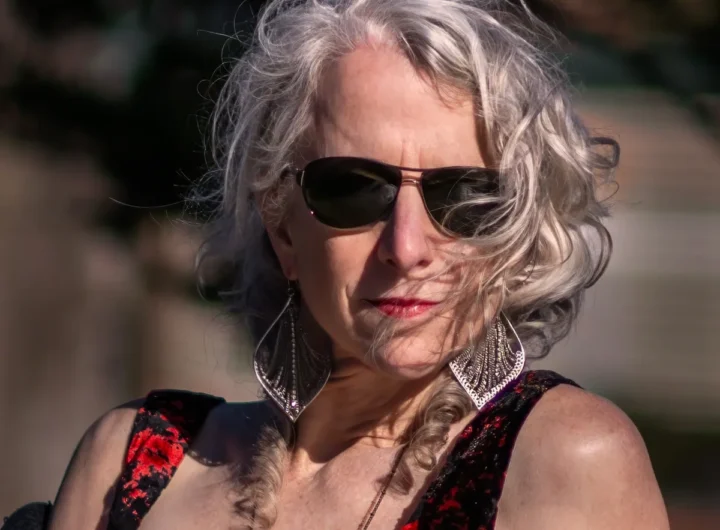
On stage, Perry fronts The MGP Band, filmed at Music City in San Francisco in September 2024. She likes to describe her voice in terms of salty potato chips and dark chocolate, and the grit on this single fits that description. The lyric video is on YouTube as well.
That makes the single a fit for listeners of blues, rock and alternative music who want a protest song with seasoned players behind it. It also suits college radio and playlist curators looking for one. By Perry’s own account, she wrote it as well for people of faith who want to reclaim what following Jesus means.
From the MusicRoots.News Curator Team: “The refrain does the arguing on I Asked Jesus & He Said No. Each verse asks a hard question, the same answer comes back, and by the outro Pat Thrall’s guitar is answering too.”
Hear the single on Bandcamp and SoundCloud. Follow Martha Groves Perry on Spotify, Apple Music, the YouTube channel, Instagram, Facebook, TikTok, Threads and Bluesky. You can also find every link on Linktree or visit the official site.


About The Author

 Brandi Carlile’s Ted Lasso Theme Is the First Sung by a Woman
  Why the Aftermath Folk Song Survived: Foxy Leopard’s Children of the War Starts Where Battles End
  Yesterday, Today and Tomorrow by David Moore and Westridge: The Long Version
  Cowboy by Brooke Washor: Where Her Last-Call Love Song Came From
  Why a Lockdown Co-Write Between Neighbours Survived as Home to You by Michelle Murrell
  Louder by Pete Keating: The Long Version, Tracked Live in Seattle
  Where I Asked Jesus & He Said No Came From: The Martha Groves Perry and Pat Thrall Protest Single