
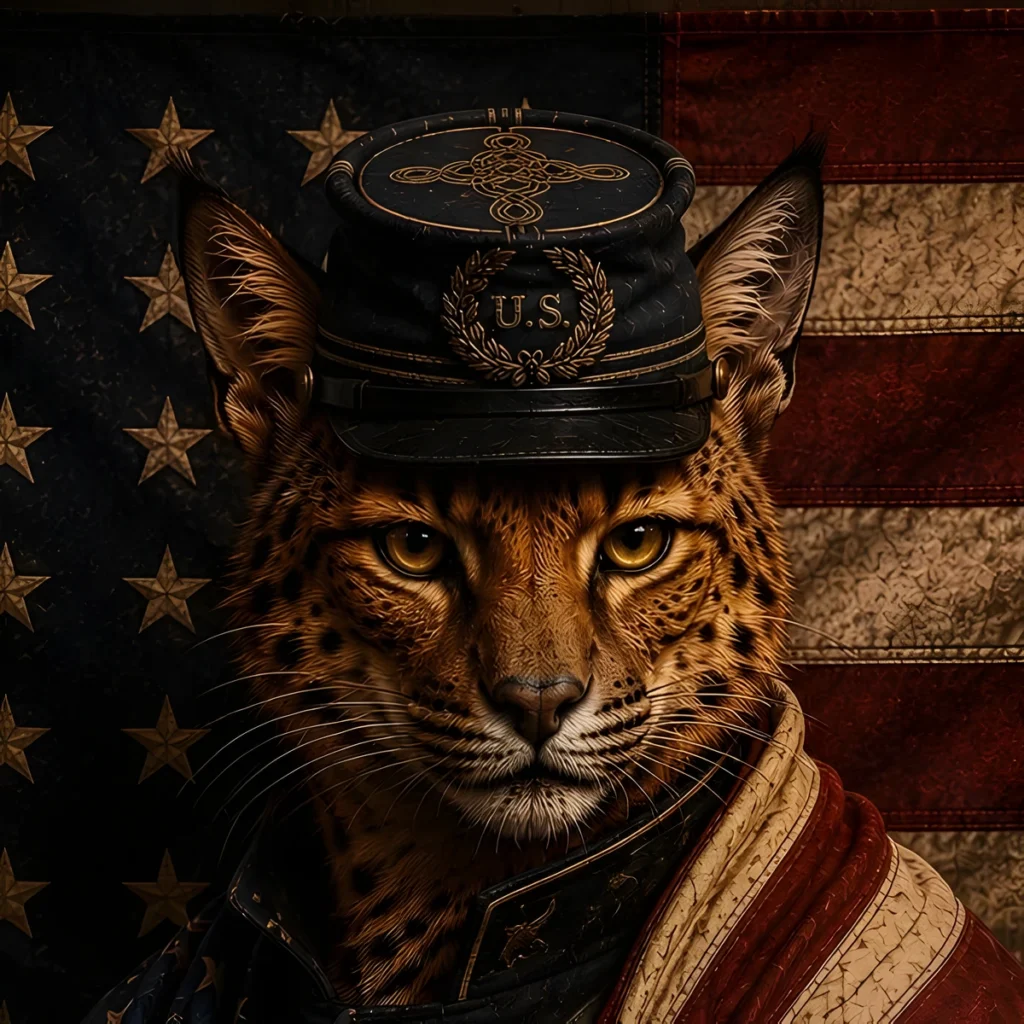
Why the Aftermath Folk Song Survived: Foxy Leopard's Children of the War Starts Where Battles End
Resonator Guitar, Harmonica and a Children’s Choir Tell What Happens After the Armies Go Home
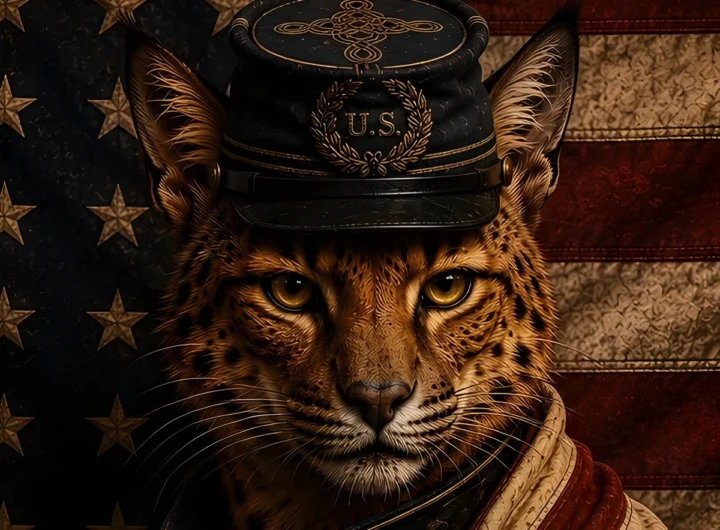
Children of the War sets a weathered lead vocal and steel resonator guitar against a small children’s choir that answers it. Foxy Leopard, a Quebec-based folk and alt-country project, released the single on 5 September 2026. It is the first song from the forthcoming concept album After.
Foxy Leopard’s Children of the War is in the Americana playlist below, and the band’s full coverage lives on the Foxy Leopard profile. The song reached this desk through PopHits.Co Music Charts, which verifies independent artists and places their releases across its network of music news desks. Hit play and listen for the choir, then keep reading for how the song was built.

The Hook of Children of the War Is a Children’s Choir Answering Foxy Leopard’s Raspy Folk Lead
The hook is an old device, used carefully. The lead voice sings a line, and the children answer some of its key lines rather than the whole song. That call and response builds toward the song’s central line: “We’re all the children of a war.”
The line does more work than it first appears to. It refers to literal children. It also takes in anyone living with a conflict they did not begin and could not control. As a result, the choir is not decoration. The children carry the argument of the song.

Equally important, the song keeps the choir rough on purpose. Hit Harmony Haven heard a small group of young voices, imperfect and rough around the edges. That is nothing like the polished choir of a film soundtrack. Chune Desk also picked out the string noise, the breaths and the loose timing around it. Those details matter, because they make the children sound like people in a room rather than an effect.
Call and response has carried folk, gospel and work songs for generations. It lets a crowd answer a single voice. Here, the crowd is a generation that inherited the war. That small change is what makes an old device feel pointed.

Foxy Leopard Writes the Folk Lyric Around an Old Man and a Woman Left Waiting After the War
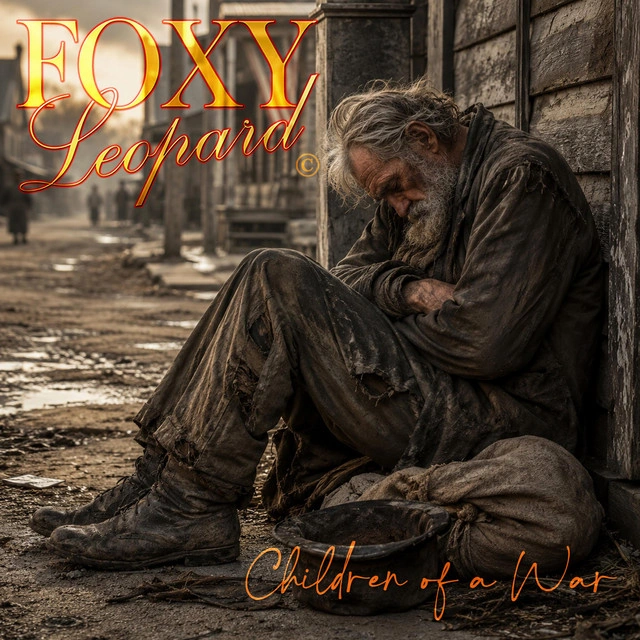
The lyric starts away from the battlefield. The first verse finds an old man asleep on the roadside, and the writer deliberately never names his war. The second verse follows a woman waiting for someone who will never come home. She now raises her children with one less pair of hands.
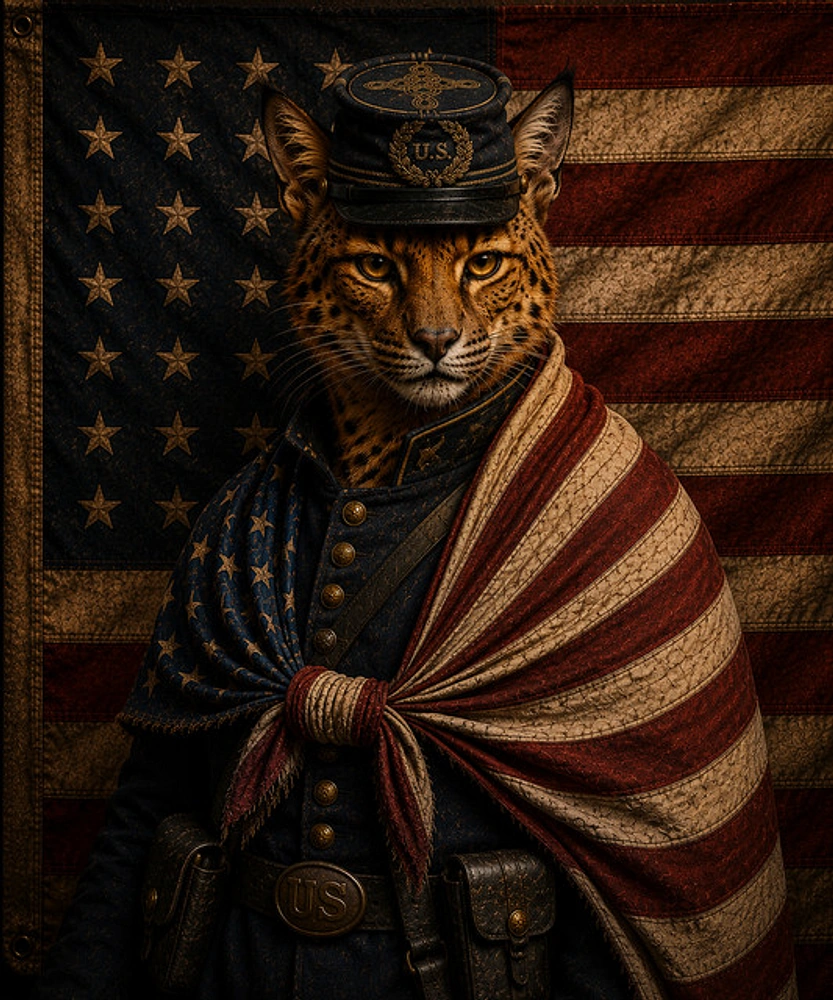
The central idea is simple and stated plainly: wars end on paper long before they end in people’s lives. The song sits inside a story about the American Civil War and its aftermath. Even so, it never reads as a history lesson. Wars change names, places, flags and generations, while ordinary people keep carrying the consequences.
That is a tradition with deep roots in North American songwriting. The Band recorded The Night They Drove Old Dixie Down in 1969. It is a Civil War song told by an ordinary Southerner as the war ends. The group’s Canadian guitarist, Robbie Robertson, wrote it. Over half a century later, a Quebec project again tells an American war through the people it left behind. The shape of the song is similar too: one voice, one life, and the larger history kept in the background.
Bob Dylan offers the other point of reference. His early anti-war folk song John Brown follows a soldier’s mother and the son who comes home damaged. Dylan’s early folk records ran on voice, guitar and harmonica, a template Children of the War still follows. Both songs also count what a war costs the people at home.
The Structure Behind Children of the War, From Resonator Guitar to the Album After
The arrangement is deliberately sparse. Steel-body resonator guitar, harmonica and muted percussion carry the track, rather than the polished production of contemporary country radio. The whole song runs for two minutes and 47 seconds. That leaves room for two verses, the choir and very little else.
Above all, the single is one piece of a longer structure. After continues a multi-album story that began before the Civil War and moved through the conflict itself. Now it follows people trying to build lives in the world left behind. Earlier releases include the album War & Peace. Plastic Magazine said it approached the war as an emotional setting rather than a sequence of events.
Foxy Leopard is also open about how its songs are made. According to the project’s own website, the writer creates the stories and lyrics. The writer also picks the melodies, harmonies and arrangements, and AI tools render the performances. Hit Harmony Haven put the work behind this single at more than 40,000 words of exchanges. It also counted more than 1,250 generations, edits, extensions and remixes.
The response so far has been wide. KIMU, AKT Music and Dulaxi have all covered Children of the War. Reviewers in the UK and beyond have also singled out the choir and the stripped-back arrangement.
MusicRoots.News’s curator team: “What keeps Children of the War with us is the choir’s restraint. The children do not sing the whole song. They come in on the lines that matter. That is what turns a period piece into a song about now.”
Stream Children of the War on Spotify or Apple Music, then follow Foxy Leopard on Apple Music, YouTube and Facebook. The project’s official website tells the rest of the story.


About The Author

 Yesterday, Today and Tomorrow by David Moore and Westridge: The Long Version
  Cowboy by Brooke Washor: Where Her Last-Call Love Song Came From
  Why a Lockdown Co-Write Between Neighbours Survived as Home to You by Michelle Murrell
  Louder by Pete Keating: The Long Version, Tracked Live in Seattle
  Why the One-Man Ukulele Band Survived on Zombie Romance by BlackSheepLad
  Why a Father-Daughter Songwriting Game Survived as Dru Heath’s Rainbow Coloured Horse
  Why the Aftermath Folk Song Survived: Foxy Leopard’s Children of the War Starts Where Battles End