
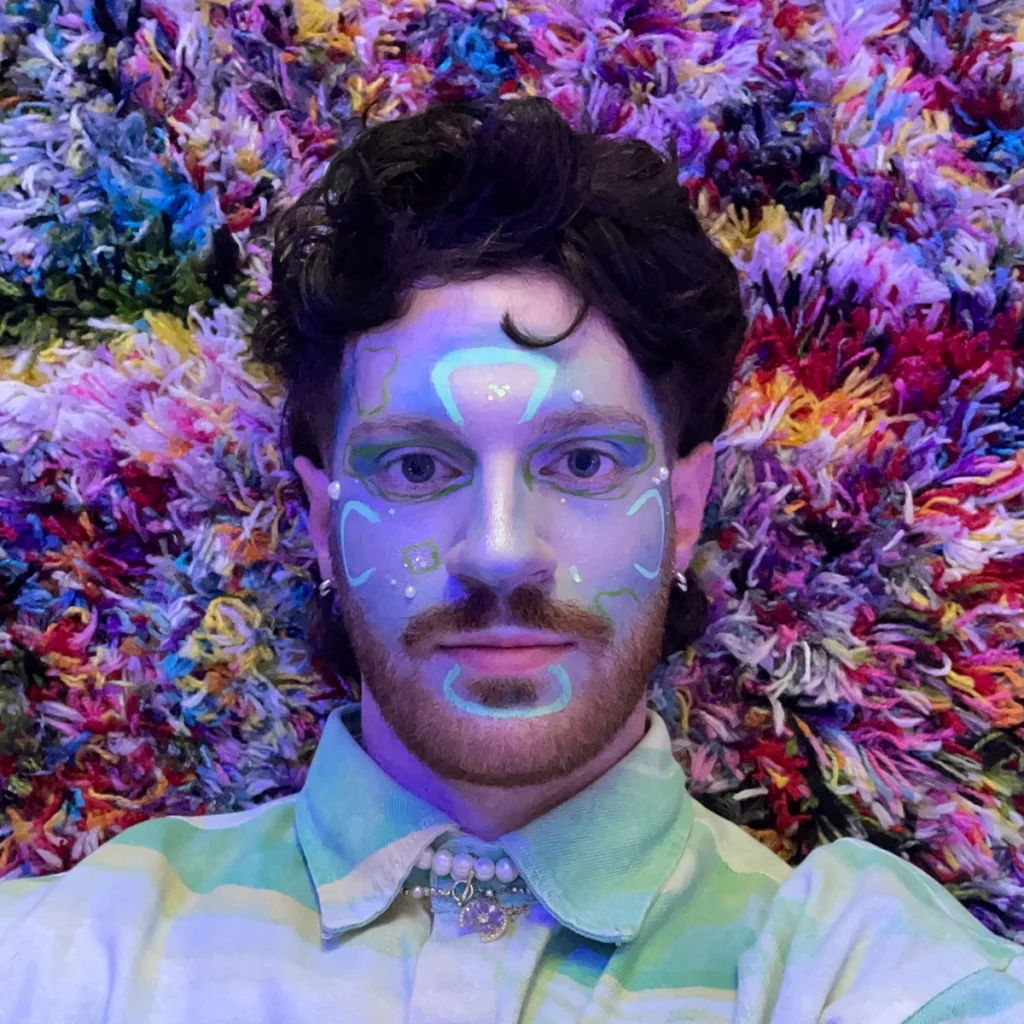
Matty Frank and Dooda: Where the Moths and Omnichords Came From
The Debut Album That Traded New York City for Durham Swamps and Bird Calls
Matty Frank recorded Dooda while he was leaving New York City for Durham, North Carolina. The debut album opens onto a wooded place that does not exist. Omnichord drones, bird calls and distorted acoustic instruments build it. The record arrived on 20 September 2024, and a companion EP of leftover songs is due this autumn.
MattyFrank features in the playlist below, and the earlier writing on him is grouped under his own artist profile. Dooda was passed to this desk by PopHits.Co Music Charts, the vetting programme that verifies independent artists and places their releases across its network of music news sites. Cue it up and let it run while you read on.


How Matty Frank Built Dooda Around an Omnichord and a Clarinet
The first thing to notice about Dooda is how little of it leans on a guitar. Frank builds the record around an analogue OM-84 omnichord from the 1980s. In other words, it is an electronic autoharp, and it holds long, slightly detuned chords. Clarinet, stacked harmony and distorted acoustic instruments fill the space a strummed six-string would usually take. Meanwhile, vocal belts arrive in the choruses. Riffs turn up where a folk record would normally place a fiddle break.
The field recordings are not decoration either. Crickets, frogs and a bird-shaped whistle run underneath several passages. Because of that, the electronic parts stay tied to something recorded rather than programmed. It also puts the album in folktronica rather than plain folk. The electronics carry chords, set the pace and sit in the middle of the mix.
Across eleven tracks the register travels a long way. Wasted is an acidic pop-punk cut. Folk Singer is dreamy and electronic. Even so, the two sit on the same record without either sounding like a visitor. Frank taught himself almost all of his playing and engineering, and the arrangements show it. One person made every decision here, rather than handing parts to a room of session players.
Listeners who have followed Tunng will recognise the method. The English group spent the mid-2000s setting acoustic guitar and close harmony against field recordings. Similarly, Sufjan Stevens is the other useful reference. The link is not the banjo. It is the habit of building a whole album around one governing idea. For the plain-spoken, unpolished side of the writing, Kimya Dawson and her anti-folk records with the Moldy Peaches sit closer still.

Moths, Jobs and the Argument Running Under the Songs
Matty Frank calls Dooda his moth album. Importantly, he means it structurally, not decoratively. Moths are the recurring characters across the record: nocturnal, elusive and intricate. They stand for the darker, foggier parts of his writing. They also double as the sparkles of light in the production. One creature carries the gloom and the shine, which saves the album from picking a register.
The argument underneath is plainer than the imagery. Frank wrote a track-by-track for antiMusic when the album arrived. In it he set out jobs, finances and career development as artificial things that push people away from their surroundings. Then he finished the thought bluntly: “Apples grow on trees, yet somehow we now have Stop & Shop.” Love and melancholy sit in the same verses as that complaint. It is a folk position with a long line of writers behind it.
“The creation of ‘Dooda’ was a deeply personal journey, translating my experience of moving to North Carolina into a soundscape that felt both natural and fantastical,” said Matty Frank. “I wanted to build a world where the smallest creatures, like moths, could carry profound narratives about love, nature, and the complexities of modern existence.”

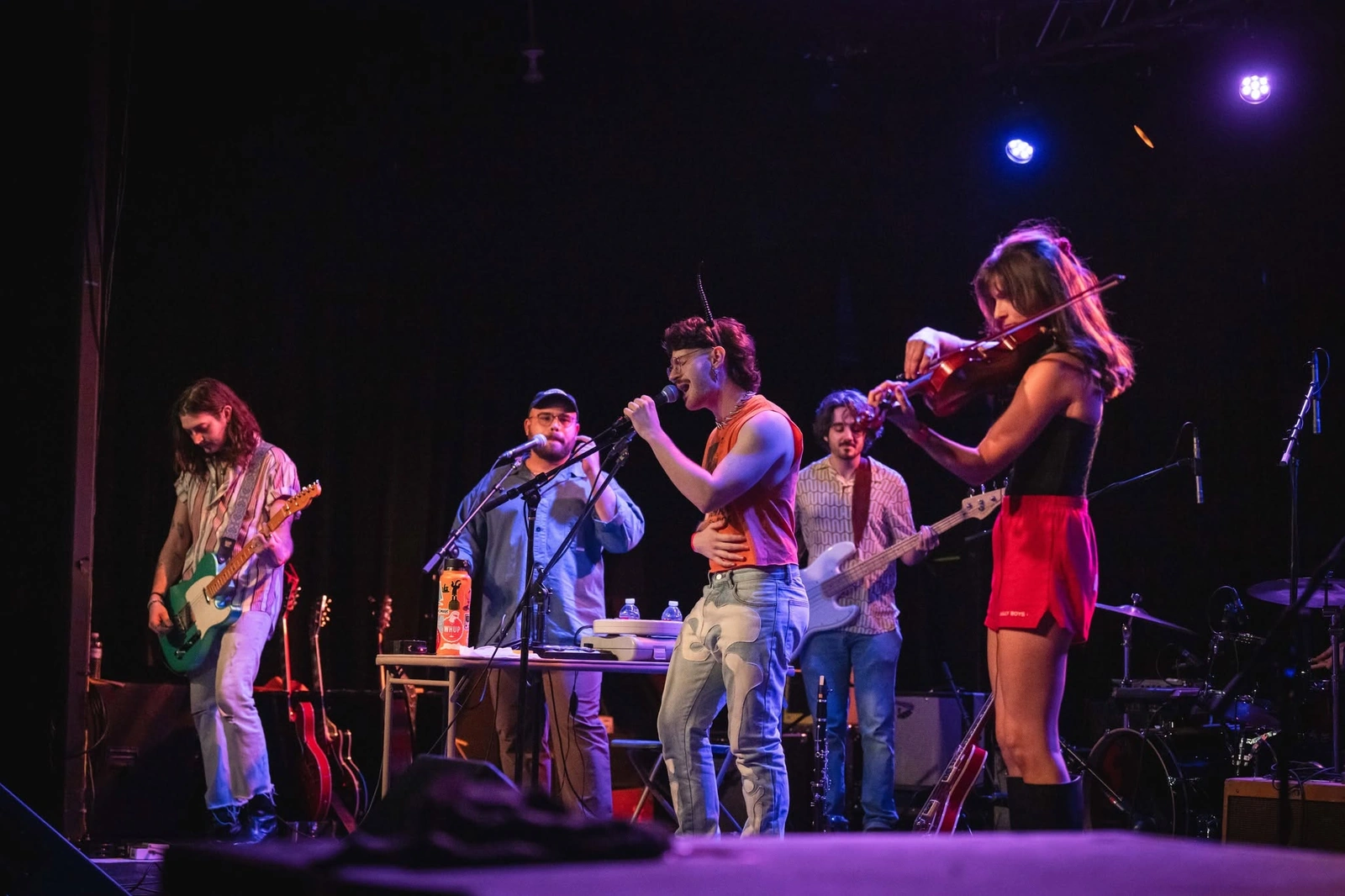
From Brooklyn to Durham, and On to the Bee Sides
Matty Frank sequenced Dooda as a walk. He describes the world it builds as elder swamps and reclaimed meadows. As a result, the recording follows that geography. It moves between denser, lower passages and open ones. Leaving Brooklyn for Durham gave him outdoor access he never had in the city. The album reads as a first report from it rather than a settled account.
Durham supplied more than scenery. Frank spoke to Chapelboro shortly after the release. He described a scene where “people here actually want you to do well, and want to pay you, and want you to succeed”. In fact, this is the first full-length he made inside it.
The MusicRoots.News curator team: “Plenty of records set electronics beside folk instruments and leave the electronics decorative. On Dooda the omnichord does structural work. It holds the chords a guitar or a fiddle would usually hold, and that is why the album still reads as folk rather than folk-flavoured.”
Dooda is not the first thing Frank has released. KIMU covered his 2022 record American Sadboi on release. That earlier set still sits on Spotify alongside the newer work. The writing on it points fairly directly at what he does across Dooda at greater length.
The next instalment already has a name. Dooda: Bee Sides collects tracks he wrote for the album and then held back from the original cut. That EP is due in autumn 2026. Frank wants to reacquaint listeners with the album before those songs arrive.
Where to Hear Matty Frank’s Dooda and Follow Him Across Platforms
Dooda is out now. The album sits on Apple Music. Alternatively, buy it directly from Bandcamp, where Frank keeps the full catalogue.
Keep up with Matty Frank across platforms: Spotify, SoundCloud, Instagram, Facebook, X, and his YouTube channel.





About The Author

 Maybe Magic by Ryan Sweezey and a Decade of Unfinished Songs: The Long Version
  Where Deep Blue Sea Came From: Kadi Beth and a Mayday Call Over Dark Water
  Backyard Getaway by Emily Fraser, a Pop-Country Escape: The Long Version
  Why New Orleans Blues Rock Survived the Move to Switzerland on Rising by Jeb Rault
  Where I Asked Jesus & He Said No Came From: The Martha Groves Perry and Pat Thrall Protest Single
  Brandi Carlile’s Ted Lasso Theme Is the First Sung by a Woman