
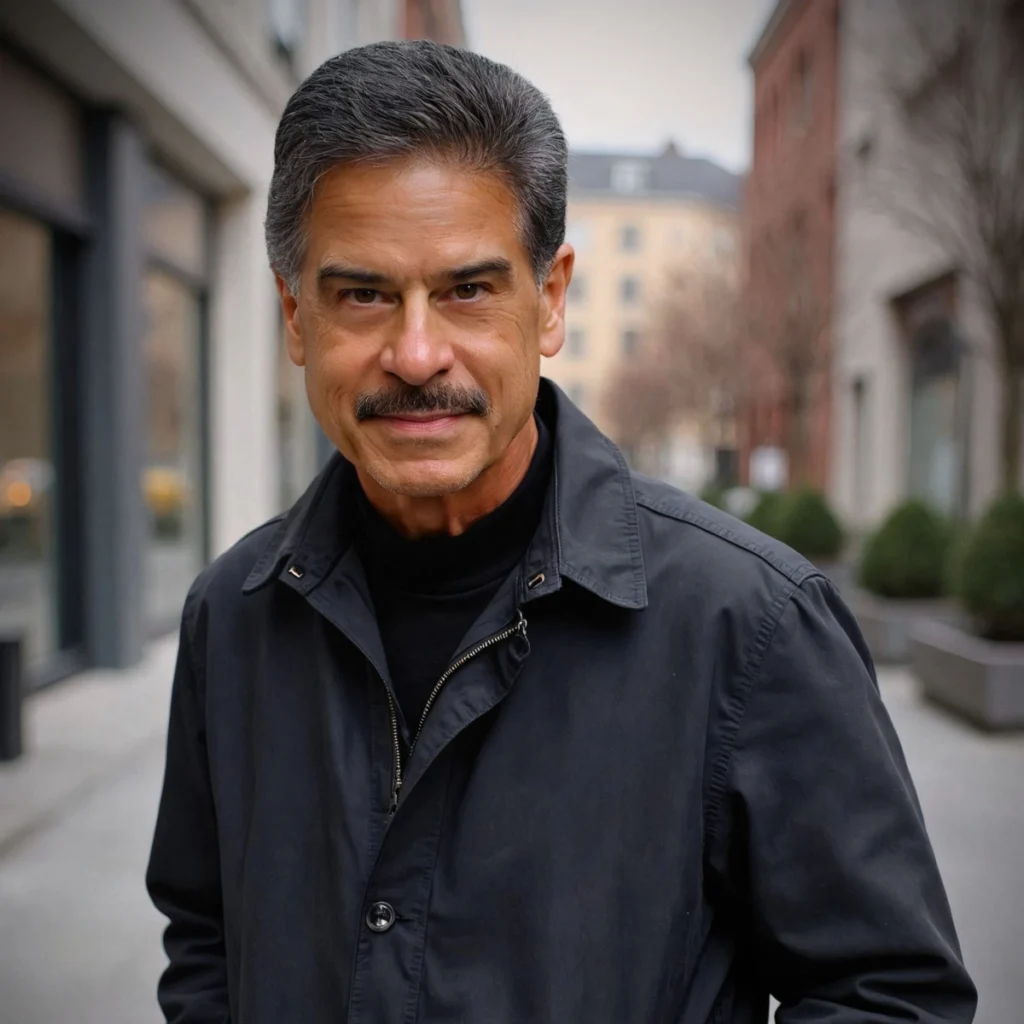
Where the Borrowed Songs on Satisfied by John Basile Came From
Two of the Nine Tracks Were Written by Other People, and the Album Never Says Which
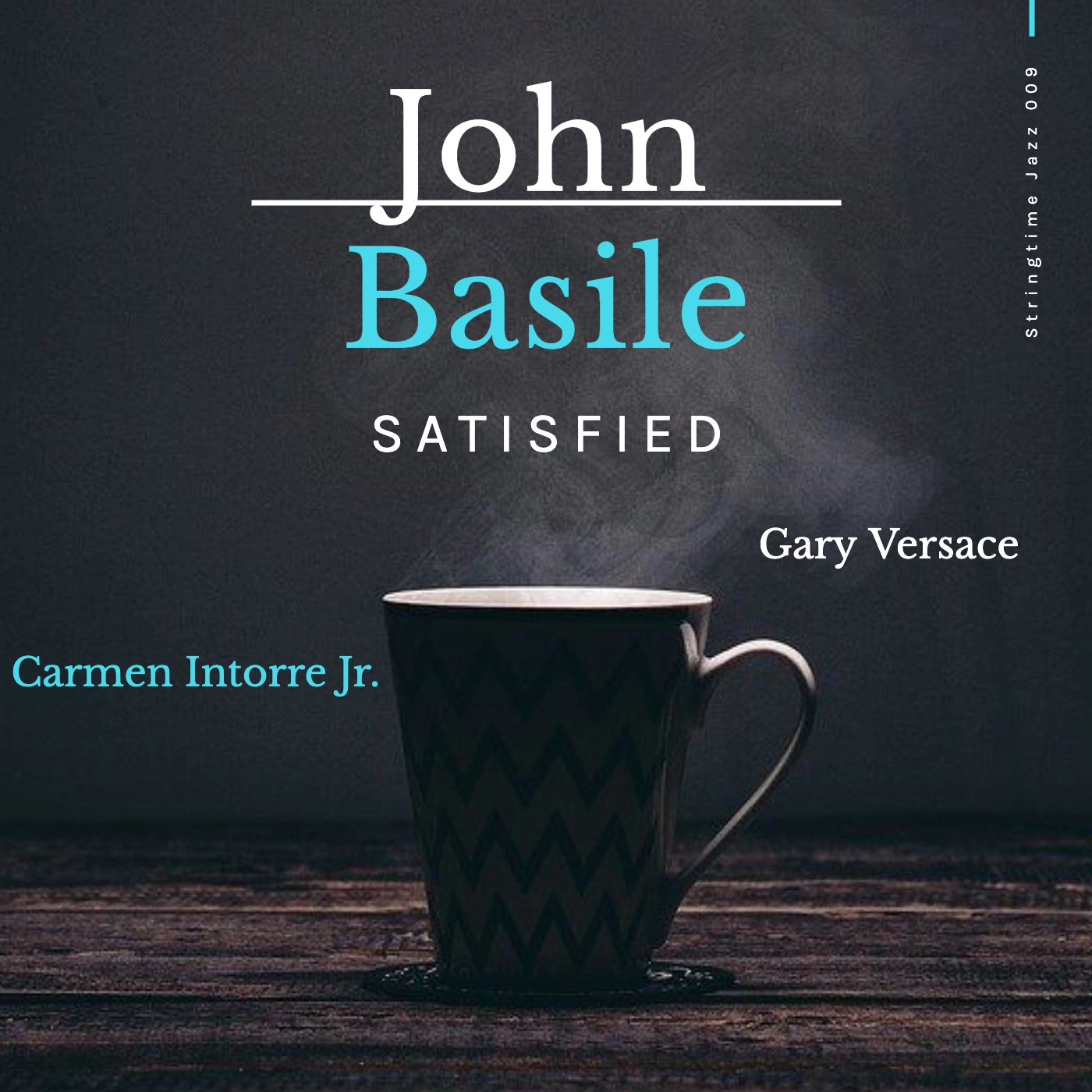
Satisfied by John Basile is nine tracks of guitar, Hammond B3 organ and drums. He recorded it with Gary Versace and Carmen Intorre Jr. and released it on 1 September 2023. Seven of the nine are his own. Two came in from elsewhere, and neither the sleeve nor the press material tells you which. Reviewing the record for The Rehearsal Studio, Stephen Smoliar made exactly that complaint. The advance called it a mix of originals and reinterpretations, then left the reader to work out which was which. So here is the answer.
John Basile is in the playlist below. Satisfied came to this desk through PopHits.Co Music Charts, which verifies independent artists and places their releases across its network of music news titles. His coverage sits on the John Basile profile. Play it once, then read on.

Where I’ll Close My Eyes Came From
Track two of Satisfied by John Basile is the older of the pair. Billy Reid, an English songwriter and bandleader, published I’ll Close My Eyes in 1945. That makes it a British song before it is a jazz one.
Almost nobody performs it as Reid wrote it. Most singers use the altered American lyrics by Buddy Kaye, and that is the version that entered the jazz repertoire. From there enough players passed it along to settle it permanently into a working guitarist’s book.
It is a long chain for a tune that now reads as standard issue. A British ballad, rewritten for an American audience, absorbed by jazz players, and arriving seventy-eight years later on a trio record as something a guitarist can assume his listeners already know.

Where I’m a Fool to Want You Came From
Track five has the stranger provenance. Jack Wolf, Joel Herron and Frank Sinatra composed I’m a Fool to Want You in 1951, and Sinatra took a writing credit for the lyric. That was unusual for a singer in that decade, when performers rarely wrote what they sang. Sinatra put it out as a Columbia single.
Seven years later Billie Holiday opened Lady in Satin with it, the last album she released in her lifetime. That recording is the one most listeners now hear behind any version of the song, including the ones with no voice on them at all.
Both tracks are worth naming, because an instrumental trio playing a standard is not playing the tune. It is playing a version of a version. Basile takes the melody of a song Sinatra co-wrote and Holiday made permanent, so the vocal reading is what his arrangement has to answer to, even with no singer in the room.

The Players On Satisfied By John Basile, And What They Do
The instrumentation explains the rest. There is no bass player. Versace’s Hammond B3 carries the bass line on the pedals while he comps with his hands. That is the standard organ-trio arrangement, and it is why the group sounds full at low volume. Intorre plays under all of it rather than through it.
Smoliar described all three players as masters of understatement, and noted that the low-key surface hides how much is going on. That matches how the two standards are handled. Basile does not rebuild or disguise them. The melodies stay recognisable and the tempos stay conversational, so the listening happens in the phrasing rather than in any structural surprise.
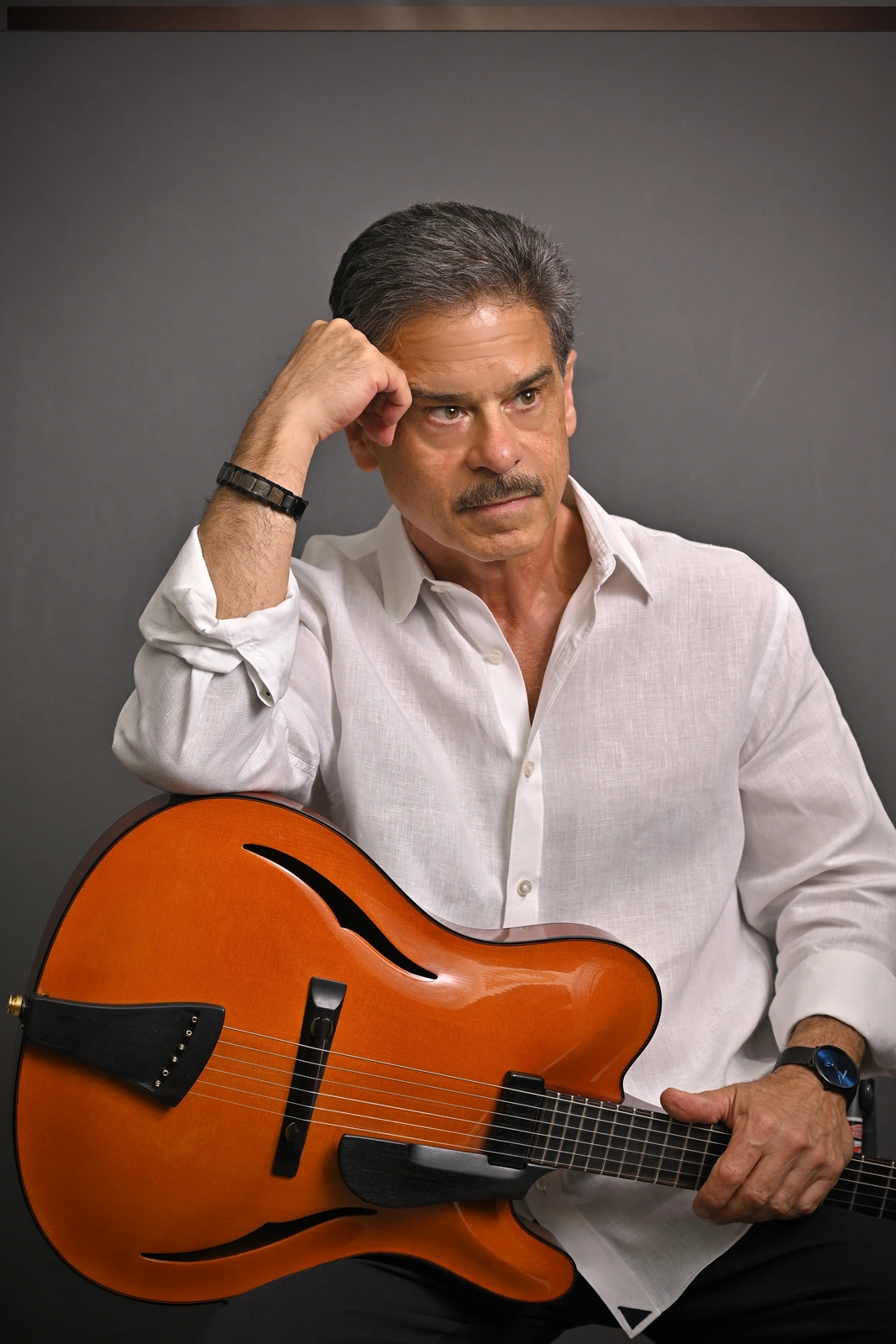
Basile plays with a dark, smooth tone, a strong sense of swing, and finger-style comping that lets him sound chord fragments and melody at once. On a trio date with no second harmony instrument beyond the organ, that technique is not a flourish. It fills the space a piano or a horn would otherwise take.
The seven originals sit in the same register: Deja Vu, Animations, Spring Forward, Starcrossed, All Day, the title track, and Straight Punches, which closes the album and runs under three minutes.
Where John Basile Came From, And Where To Hear Satisfied
The player has a provenance too, and it is a direct line. Basile grew up in Boston, attended Berklee College of Music and graduated from the New England Conservatory. He studied with Barry Galbraith, Jack Wilkins and Chuck Wayne, three guitarists whose own work runs back through the same repertoire these standards belong to.
He moved to New York in 1985. His first break there was playing with Peggy Lee, on the recommendation of the drummer Grady Tate. The people he went on to record and perform with read like a syllabus for this music: Rosemary Clooney, Sylvia Syms, Tony Bennett, George Mraz, Michael Brecker, Harry “Sweets” Edison, John Abercrombie, Tom Harrell and Red Mitchell.
Then he stopped. Basile spent twenty-five years in radiology, medical imaging and business development before he came back to playing, composing and recording. He founded Stringtime Productions in 2019 to write cues for film, television and music libraries. A record like Satisfied is what that history sounds like when it returns. No hurry, nothing to prove, and a repertoire he learned from the people who played it.
That is also why the two borrowed songs matter. A guitarist who came up behind singers of that tradition does not pick them at random.
You can hear Satisfied by John Basile on Spotify. John Basile keeps videos on his YouTube channel and lists the full discography on his official site.











About The Author

 Chris Stapleton Goes for a Ninth CMA Male Vocalist Award
  Why the Glockenspiel Survived: Bed by Stacy Henle and the Craft of a Quiet Folk Single
  Maybe Magic by Ryan Sweezey and a Decade of Unfinished Songs: The Long Version
  Where Deep Blue Sea Came From: Kadi Beth and a Mayday Call Over Dark Water
  Backyard Getaway by Emily Fraser, a Pop-Country Escape: The Long Version
  Why New Orleans Blues Rock Survived the Move to Switzerland on Rising by Jeb Rault